all creators

Steve mould

@stevemouldscience · science, physics, experiments

open on instagram

Science videos

https://linktr.ee/stevemould

475K followers
2 reels read
47.6x best outlier
35.6x typical
4.1M views in here
29 Aug 2025 newest

how they make themstrange device, quiet room setting, clear voice, bold text, broad appeal, surprising demo, visual proof, steady pacing

steve mouldscience explanationacoustic camerasee soundnoise visualizationspectrogramvacuum cleaner soundhow tech workssound frequencyengineering acousticsound proof roomgel sightmicroscopetactile sensor3d scanninggadget reviewopticstechnologyhow it workscoin scan3d surface modelengineeringscience demonstration

2 reels in the database, most viral first

1

@stevemouldscience Steve mould · 21 May 2025

47.6x outlier

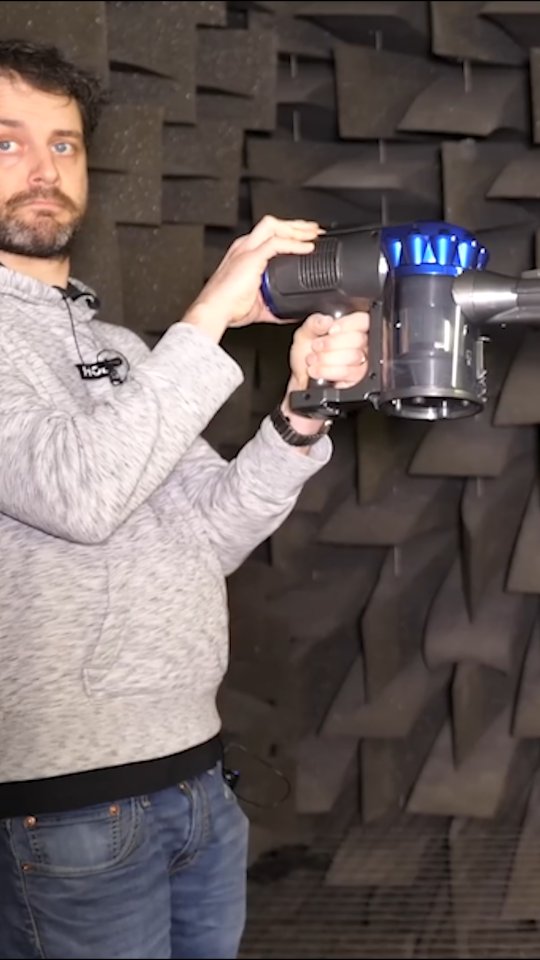
Steve Mould explains how a special camera can see sound waves and find where noises come from.

2.7M views
140K likes
520 comments
0 shares
0 saves
475K followers
59s long
5.1% liked
hookViewers stop scrolling to find out how a strange camera can make sound visible on screen.
  • Strange device. A camera with a ring of tiny microphones sits inside a dark padded room.
  • Quiet room setting. Foam wedges cover the walls to block out echoing sound.
  • Clear voice. The speaker introduces a camera that can map sound waves with colorful patterns.
  • Bold text. Big subtitles say that this camera can see sound.
  • Broad appeal. Anyone curious about cool technology or science tricks will want to watch.
retainViewers keep watching to see colorful heat maps reveal which parts of a machine make the most noise.
  • Surprising demo. The camera shows that a vacuum tube vibrates at a single pitch while the motor makes a high noise.
  • Visual proof. Colored heat maps appear over real machines so viewers can see sound instead of just hearing it.
  • Steady pacing. There are 10 shots in 59.1 seconds, shifting every 5.9 seconds to explain each step.
  • Helpful tools. A vacuum cleaner and computer software make the sound graphs easy to understand.
  • Easy explanation. The lesson moves step by step from simple sound maps to picking out one noise with an eyedropper tool.
rewardViewers learn how acoustic cameras help engineers design quieter appliances.
  • Taught something. Viewers learn that sound cameras use frequencies to pinpoint exact noise sources.
  • Satisfying visuals. Watching hidden sound turn into bright rainbow patterns feels fun and cool.
  • Curiosity sparked. People feel inspired to think about how much hidden noise everyday objects make.
steve mouldacoustic camerasee soundscience explanationnoise visualizationspectrogramvacuum cleaner soundhow tech workssound frequencyengineering acousticsound proof room

Acoustic cameras can SEE sound. How cool is that? #sound #camera #science

watch on instagram
2

@stevemouldscience Steve mould · 29 Aug 2025

23.6x outlier

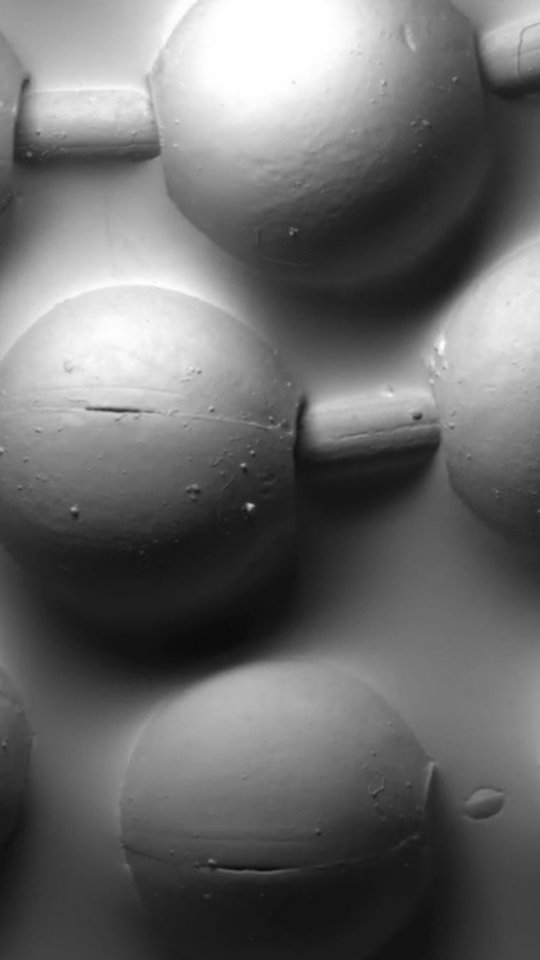
Steve Mould explains how a touch-based microscope named GelSight uses soft gel and light to create 3D images of tiny surfaces.

1.4M views
30K likes
75 comments
3.1K shares
3.4K saves
475K followers
55s long
2.2% liked
hookThe close-up image of a Lego logo pressed into gel catches the eye before a clear voice says the microscope uses touch instead of light.
  • Bold visual start. A close-up grey surface showing the word Lego in high relief grabs attention right away.
  • Clean tech setting. Bright studio lighting keeps the focus entirely on the dark device and clear screen graphics.
  • Clear spoken audio. The creator speaks directly and clearly over the quiet background.
  • Simple subtitle style. Clean white text with a dark outline sits at the bottom of the screen.
  • Broad audience appeal. Anyone curious about science, gadgets, or cool microscopic images will find this interesting.
retainViewers stay watching to see how pressing objects like coins, screws, and gears into gel turns into detailed 3D models.
  • Clever science idea. Showing how a gel pad deforms and lights up from six sides makes complex optics easy to grasp.
  • Show and tell. The creator demonstrates each step on camera instead of just talking about the theory.
  • Fast edit pace. The video uses 26 shots in 55.0 seconds to keep the explanation moving quickly.
  • Essential visual props. The video does not work without the special handheld gel microscope and demo objects like the coin and screw.
  • Clear narrative steps. The video moves logically from how the gel touches an object to how lights and software build a 3D map.
  • Right video length. The 55.0 seconds duration gives just enough time to explain the tech without getting boring.
rewardViewers feel smarter after learning how light and touch work together to scan 3D shapes.
  • Cool tech insight. You learn that light cast from different sides can reveal full 3D shapes from simple shadows.
  • Visually satisfying scans. Watching rough surfaces turn into crisp 3D computer models feels neat to see.
  • Curiosity sparked. You leave wanting to try pressing different everyday objects into the gel microscope yourself.
steve mouldgel sightmicroscopetactile sensor3d scanningscience explanationgadget reviewopticstechnologyhow it workscoin scan3d surface modelengineeringscience demonstration

This microscope uses GelSight to measure with touch #microscope

watch on instagram