@hubermanlab Andrew Huberman, Ph.D. · 3 Apr 2026
12.9x outlierAn elderly woman hangs from a pull-up bar for nearly three minutes to set a world record.
hookA viewer stops scrolling because an elderly woman is hanging from a pull-up bar with a giant timer on the wall.
- Elderly star. An old woman with white hair and a pink sweater hangs from a bar.
- Home setting. She is in a living room with books and a big screen TV.
- Upbeat music. Energetic guitar music plays as the timer ticks up.
- Bold text. Text on screen says she is setting a new world record for dead hanging.
- Wide appeal. Anyone interested in fitness, aging well, or impressive feats will stop to watch.
retainViewers watch to the end to see if she reaches her goal time and celebrates.
- Surprising feat. Seeing a woman over ninety hang from a bar for so long is amazing.
- Show not tell. The video shows her real effort instead of just talking about it.
- Happy ending. She lets go, cheers with excitement, and gets a big hug.
- Pacing and cuts. The clip has 3 shots in 30.0 seconds with a new shot about every 10.0 seconds.
- Digital timer. The red clock on the wall lets you track her progress easily.
- Simple story. The video follows her from the start of the hang to her joyful finish.
- Right length. The video cuts out the middle wait time so it stays fast and exciting.
rewardThe viewer feels inspired by her incredible strength and happy for her world record.
- Deep inspiration. Viewers learn that age does not have to limit physical strength.
- Joyful feeling. Her big cheer at the end makes the viewer feel happy too.
- Health reminder. It reminds people to practice grip strength for a longer life.
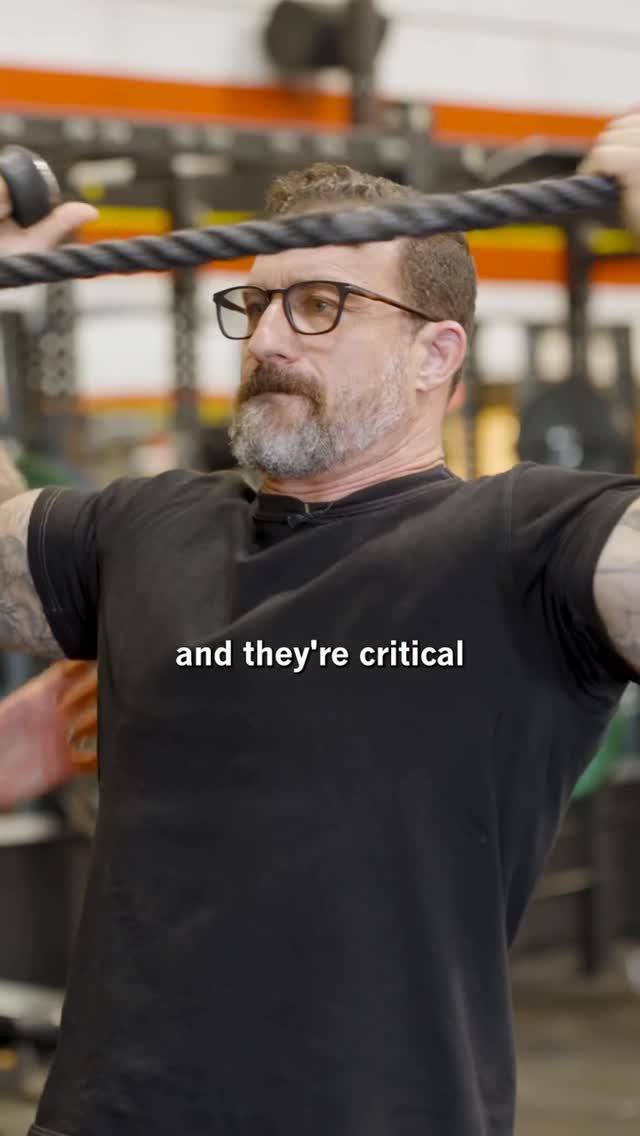
GRIP STRENGTH & LONGEVITY: “LIVE HANGS” Congratulations Ann Crile Esselstyn, who at *90 years and 231 days* old (title card says 93), did a continual bar grip hang for 2 minutes and 52 seconds. (And set a @guinnessworldrecords WR) Grip strength and grip endurance (not exactly the same thing) are correlates of longevity. They are great to train for but grip strength alone does not extend life. So what do they reflect? We often think about the muscle aspect of grip. To me,the really interesting data = the relationship between grip and longevity of *cognitive functioning*. Why would there be a relationship there? In neuroscience, we refer to the upper and the lower motor neurons. Upper motor neurons are in the brain and are involved in deliberate action (among other things); lower motor neurons are in the spinal cord and directly connect to the muscles by extending out of the central nervous system into the peripheral nervous system. They directly cause muscles to contract. We also think about proximal muscles, which are the muscle muscles near the midline and distal muscles like those tips of your calves, forearms, fingers and toes. Early but compelling evidence suggest that distal strength— the motor neuron control of the parts of your body furthest from your midline, is one of the first things to atrophy as you age. You can offset this with strong, gripping, keeping your feet, strong, calves, etc. So while it’s important to train your core and the muscles of your legs, chest back and arms, don’t forget about feet yes feet! And hands and forearms. It’s not just about aesthetics. It’s very likely about maintaining those upper motor brain neurons. Once specific sets of neurons in the brain start to die off they often take others with them, the so-called bystander effect. More on this in a Huberman Lab podcast to come but meanwhile, wherever you’re at in your fitness in longevity training the whole body and keep going! And congrats to Ann. That’s a super impressive timing at any age! Please put any questions you have below and thank you for your interest in science! @stanford @stanford.med #neuroscience #science #ciencia #longevity #grip
watch on instagram