all creators

Dr Julie Smith | Psychologist

@drjulie · psychologist, mental health

open on instagram

Clinical Psychologist | NYT Bestselling Author | 10M+ Followers ‘Open When...’ & multi-million copy bestseller ‘Why Has Nobody Told Me This Before?’

https://linktr.ee/drjuliesmith

2.2M followers
8 reels read
91.0x best outlier
22.6x typical
44M views in here
5 Feb 2026 newest

how they make thembroad topic, key props, clear text, right length, single shot, visual demonstration, bright setting, warm emotion

dr julie smithpsychologistmental healthself carelife advicepersonal growthself helpemotional wellnessrelationship advicemental health tipspsychology factsanxiety tipsfinger traptherapy advicecoping skillsmindfulness trickstress managementfeeling overwhelmedtoxic environmenthappinessresethabit changepsychology lessonfish tank metaphor

8 reels in the database, most viral first

1

@drjulie Dr Julie Smith | Psychologist · 3 Aug 2022

91.0x outlier

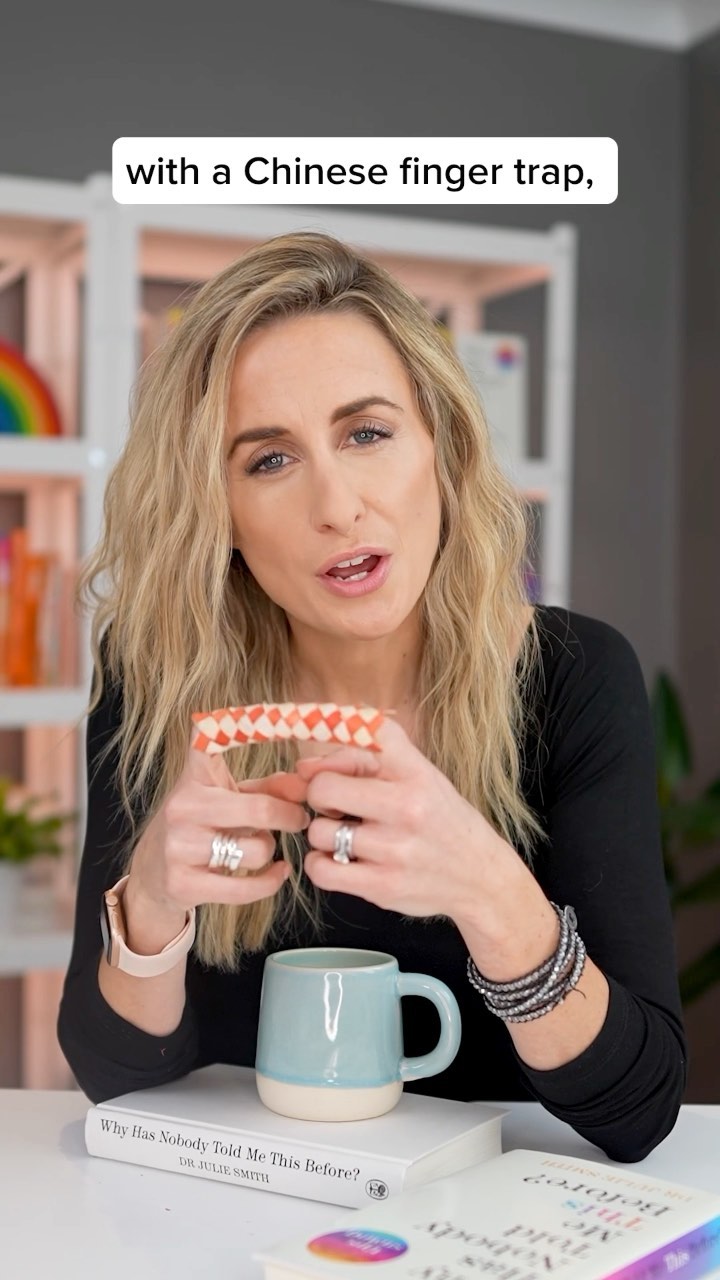
Dr Julie Smith uses a Chinese finger trap toy to explain why running from bad feelings makes them stronger and facing them gives you room to breathe.

15M views
779K likes
2K comments
0 shares
0 saves
2.2M followers
55s long
5.0% liked
hookA woman holds a colorful toy and asks a question about how we handle stress.
  • Visual hook. A friendly woman sitting at a desk holds up a woven finger trap toy.
  • Background setting. Warm lights and shelves filled with colorful books frame the speaker.
  • Text on screen. Big bold words say with a Chinese finger trap at the top of the video.
  • Audio cue. Soft background music plays under a clear and gentle talking voice.
  • Broad topic. Everyone feels anxious or sad sometimes, so the topic catches almost anyone scrolling.
retainThe simple visual trick with the toy keeps viewers watching to see how the metaphor ends.
  • Hands on prop. Pulling on the toy shows exactly how avoiding fear tightens its grip on your life.
  • Single shot. The clip is one unbroken take for fifty five seconds, keeping the talk smooth and focused.
  • Clear explanation. She walks through how avoiding bad moods leads to bad choices in simple steps.
  • Comforting message. The tone stays calm and supportive, making hard mental health topics feel easy to learn.
  • Perfect video length. The short time gives just enough room to finish the point without dragging.
rewardViewers learn a helpful mental trick for dealing with anxiety and hard emotions.
  • Useful insight. You learn that leaning into bad feelings gives you room to make better choices.
  • Emotional comfort. You feel understood knowing that avoiding stress is a common human habit.
  • Mindset shift. You leave with a new way to picture your own feelings when you feel overwhelmed.
dr julie smithpsychologistmental healthanxiety tipsfinger traptherapy advicecoping skillsself helpemotional wellnessmindfulness trickstress managementfeeling overwhelmed

👉👈 When we feel painful emotion the most natural human response is to pull away, escape them and avoid. We block them out with anything that feels safe and pleasurable. But when we do that, the painful emotions don’t always disappear forever. We find ourselves trapped in cycles of addictive behaviours that keep the emotion at bay for just a short time. The way we guide people to process painful emotion in therapy is to allow the emotion to be there, turn towards it and feel it, while soothing yourself through the process with skills that help you to tolerate the distress. This enables the emotion to take its natural course and wash over you. Emotions come in waves so we know they will increase in intensity, peak and then come back down again. 👉More on this in my No.1 Sunday Times Bestselling book, Why Has Nobody Told Me This Before? (Currently -50% off @ £7.50 inc delivery see link in bio). Filled with insights from therapy about how to deal with real life problems. If don’t want to read it and would like me to read it to you, it’s free when you sign up to Audible link in my bio 😉

watch on instagram
2

@drjulie Dr Julie Smith | Psychologist · 3 Jan 2024

52.0x outlier

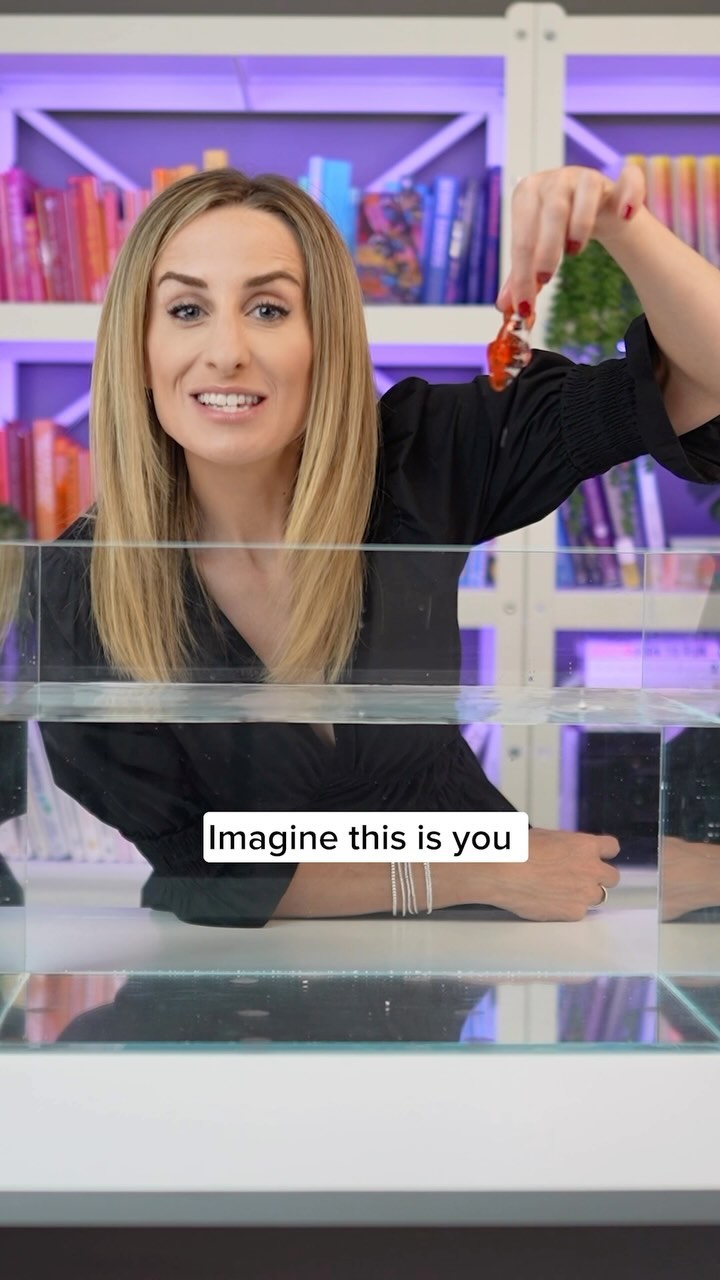
A woman uses a toy fish and dark liquid in water tanks to explain why temporary breaks cannot fix a toxic daily life.

8.8M views
414K likes
2.1K comments
2.4K shares
56K saves
2.2M followers
53s long
4.7% liked
hookA viewer stops scrolling because a woman points at a fish inside a water tank while warning about a big life mistake.
  • Bright look. The speaker sits in front of a shelf filled with bright colourful books.
  • Visual mystery. A clear glass water tank sits on the table right in front of her.
  • Bold caption. Onscreen text reads Don't make this mistake.. in white boxes.
  • Broad appeal. The message targets anyone who feels unhappy with their current lifestyle.
retainViewers stay to see what happens when dark liquid is poured into the tank and how the fish gets saved.
  • Visual demonstration. Dark liquid pours into clear water to show how a life becomes toxic.
  • Step by step story. Moving the fish to clean water shows taking a vacation before returning to the dirty tank.
  • Simple explanation. Complex mental health ideas are easy to understand through the fish example.
  • Slow pacing. The clip uses 2 shots in 53.1 seconds with a single edit at 43.5 seconds.
  • Key props. The water tanks and liquid help make the main lesson memorable.
rewardThe viewer learns that changing your daily environment is key to long term happiness.
  • Clear understanding. The viewer sees why quick breaks do not fix long term problems.
  • Practical advice. The lesson encourages fixing everyday habits instead of relying on temporary escapes.
  • Empowered feeling. The viewer feels ready to fix bad situations in their daily routine.
dr julie smithpsychologistmental healthtoxic environmentself carelife advicehappinessresethabit changepersonal growthpsychology lessonfish tank metaphorwellness tip

🐠 👉 If you are joining one of the infinite January resets/diets/lifestyle changes, ask yourself this question before you start: have you set your goals so high that you will want to give up by the end of the month? A short term change can feel good for a while, but if you then return to a way of living that makes you feel unhappy or unwell then this time next year you will be back on the same cycle. Why not take a moment to review those goals and reduce your expectations to something that you know you can sustain? We often lean toward the grand and unrealistic because we want results now. But the most successful change is one you don’t have to return from. If the goals you set this year look remarkably similar to last year and the year before that, how might you lower those expectations so the new change will remain this time next year? Would love to hear your thoughts on this in the comments. 👉 More on this in my No.1 international bestselling book - Why Has Nobody Told Me This Before? (Currently -50% see link in bio). Filled with insights from therapy about how to deal with real life problems. Available in over 40 languages 🇬🇧 🇺🇸 🇮🇳 🇨🇳 🇨🇦 🇦🇺 🇦🇱 🇧🇷 🇧🇬 🇭🇷 🇨🇿 🇩🇰 🇪🇪 🇫🇮 🇫🇷 🇩🇪 🇬🇷 🇭🇺 🇮🇸 🇮🇩 🇮🇱 🇮🇹 🇯🇵 🇱🇻 🇱🇹 🇲🇰 🇳🇱 🇳🇴 🇵🇱 🇵🇸 🇵🇹 🇷🇴 🇷🇺 🇷🇸 🇸🇰 🇸🇮 🇰🇷 🇪🇸 🇸🇪 🇹🇼 🇹🇭 🇹🇷 🇺🇦 🇻🇳

watch on instagram
3

@drjulie Dr Julie Smith | Psychologist · 30 Jan 2024

42.4x outlier

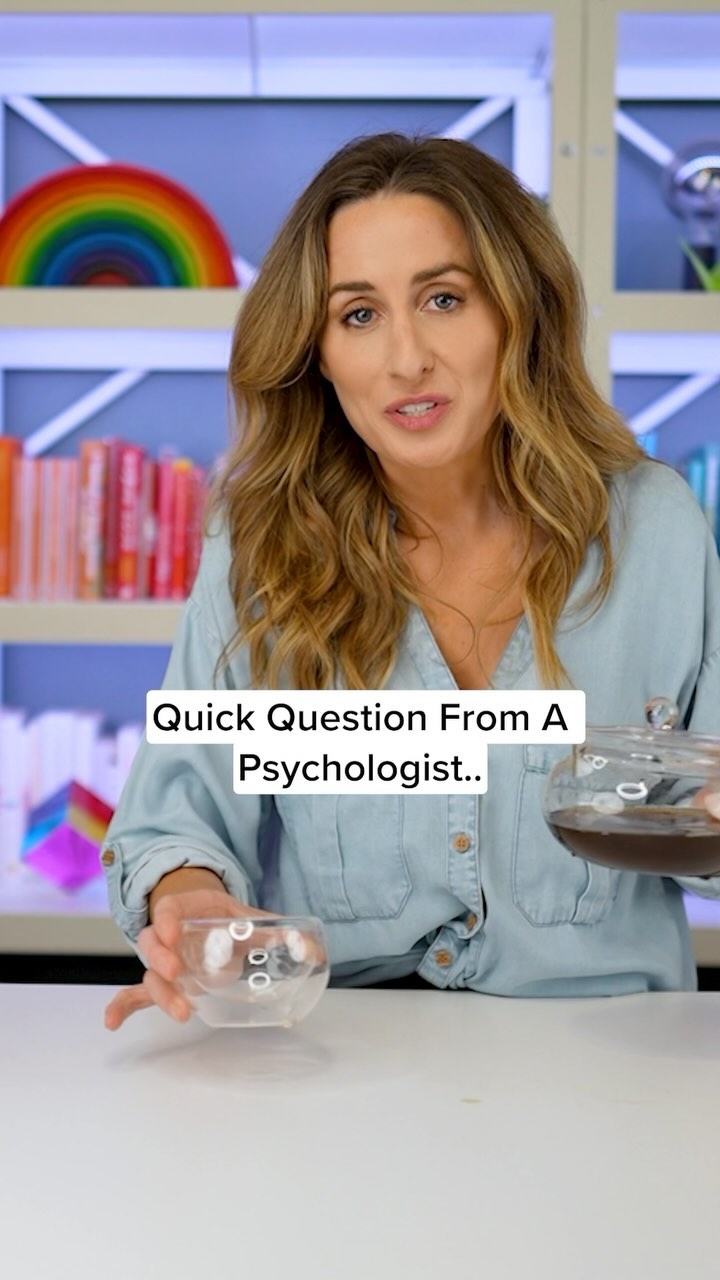
A psychologist asks if your friends would stay if you spoke to them the way you speak to yourself.

7.2M views
256K likes
10K comments
0 shares
0 saves
2.2M followers
10s long
3.6% liked
hookA woman pours tea while asking a thoughtful question that grabs your attention right away.
  • Friendly person. A woman in a blue shirt stands behind a clean white table.
  • Bright setting. Bright shelves with colorful books and a rainbow sit behind her.
  • Clear text box. Text at the bottom reads Quick Question From A Psychologist.
  • Direct speaking. She looks straight at the camera while pouring dark tea into a glass cup.
  • Wide topic. How people talk to themselves is something almost anyone can relate to.
retainThe quick question makes viewers pause and think about their own inner voice.
  • Thoughtful prompt. She asks if your friends would hang around if you talked to them like you talk to yourself.
  • Action to watch. Watching her pour dark tea into a small glass cup keeps your eyes on the screen.
  • Single shot. The clip is 9.8 seconds long in one unbroken take without any edits.
  • Warm emotion. Her eyes and face show genuine care while she speaks.
  • Good length. The video delivers its message quickly before anyone gets bored.
rewardViewers walk away with a gentle reminder to treat themselves with more kindness.
  • Self reflection. It makes you realize if your self talk is too harsh.
  • Simple comparison. It uses an easy example that makes immediate sense.
  • Helpful reminder. It encourages people to be kinder to themselves every day.
dr julie smithpsychologistmental healthself talkpositive thinkinginternal voicekindnessself caretea teapotlife adviceshort questionwellbeingpersonal growthlife lesson

👉 No? Then I have an important message for you. Take this as a signal that here lies a huge opportunity for learning something that could transform the way you experience and approach life. The bad news is that if your internal narrative sounds more like a bully than a friend, it will be having negative consequences on your wellbeing. But the good news is that you have more power to change it than you think. All of it was learned. And as an adult you get to update your learning with conscious effort. Every choice that you make about how to act either reinforces your beliefs and predictions about yourself and the world, or it changes them. So, if you are to shift the way you relate to yourself and how you experience life, you must do that with your actions as well as the thoughts you focus on. Start by asking yourself the questions below: • If I was to treat myself as I treat the people I care about, what would that look like in terms of my actions and behaviour? • What would it sound like in the way I interpreted my own failings and shortcomings? • How would it show up in my interactions with other people? See if you can paint a detailed image of the concrete behaviour changes that would be necessary for this change to take place and be sustained. Let me know how you get on. Feel free to share @drjulie ❤️ 👉More on this in my international bestselling book - Why Has Nobody Told Me This Before? (Currently -50% see link in bio). Filled with insights from therapy about how to deal with real life problems. Available in over 40 languages.. 🇬🇧 🇺🇸 🇮🇳 🇨🇳 🇨🇦 🇦🇺 🇦🇱 🇧🇷 🇧🇬 🇭🇷 🇨🇿 🇩🇰 🇪🇪 🇫🇮 🇫🇷 🇩🇪 🇬🇷 🇭🇺 🇮🇸 🇮🇩 🇮🇱 🇮🇹 🇯🇵 🇱🇻 🇱🇹 🇲🇰 🇳🇱 🇳🇴 🇵🇱 🇵🇹 🇷🇴 🇷🇺 🇷🇸 🇸🇰 🇸🇮 🇰🇷 🇪🇸 🇸🇪 🇹🇼 🇹🇭 🇹🇷 🇺🇦 🇻🇳

watch on instagram
4

@drjulie Dr Julie Smith | Psychologist · 10 Oct 2025

28.4x outlier

A psychologist gives a simple rule about trusting people's actions over their words.

4.8M views
104K likes
954 comments
6.4K shares
8.7K saves
2.2M followers
18s long
2.2% liked
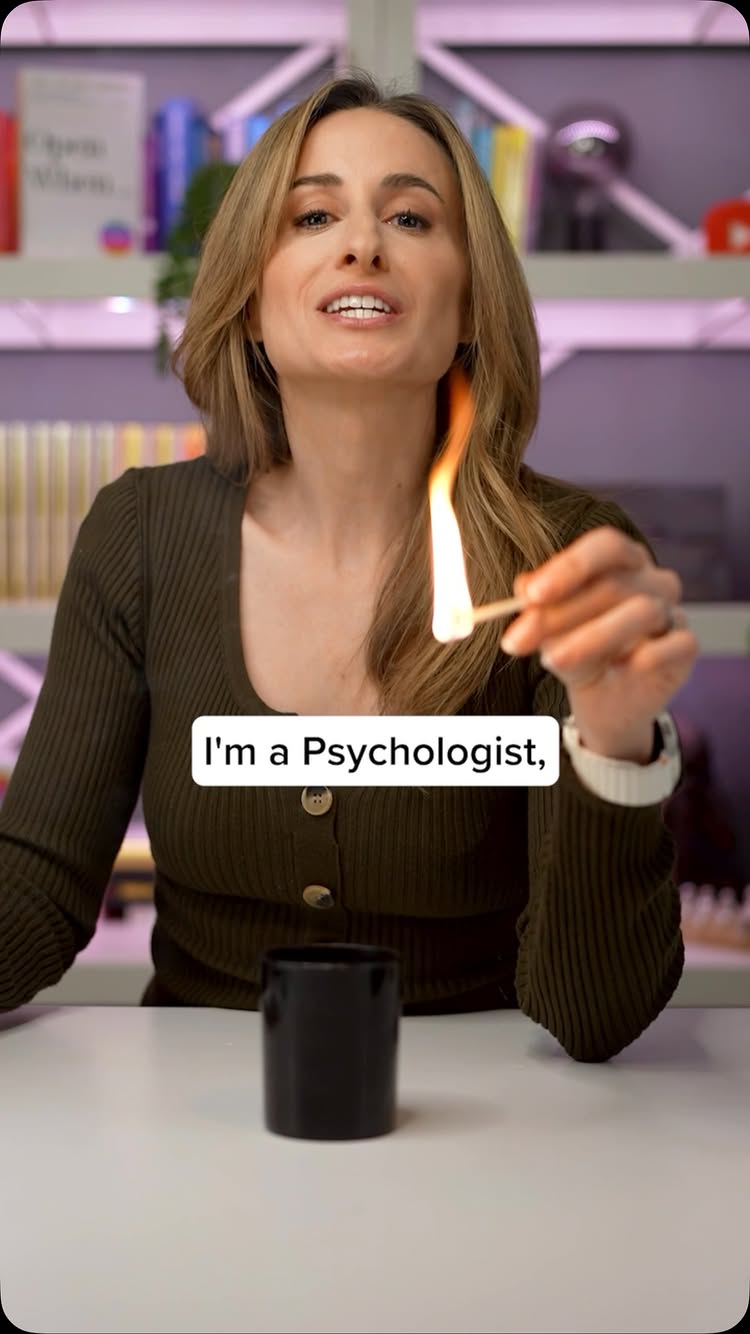
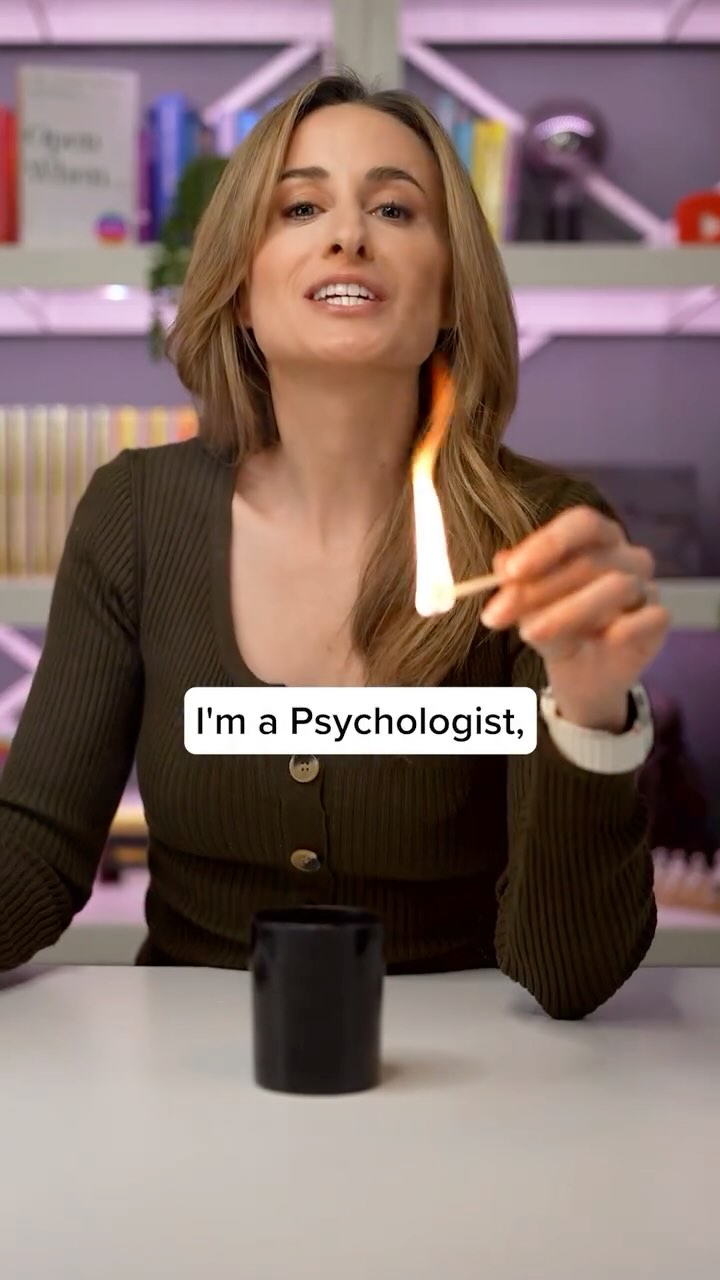
hookA woman lights a match close to the camera while sharing a strong piece of advice.
  • Friendly look. A woman in a dark green sweater looks directly at the camera.
  • Cozy room. A purple shelf full of colorful books sits behind her.
  • Bold action. She strikes a match right near the camera lens.
  • Clear text. Bold text on screen introduces her as a psychologist.
  • Wide appeal. Trust and relationship problems affect almost everyone.
retainThe simple physical action of lighting a candle keeps the viewer watching while she shares her rule.
  • Useful advice. The tip helps viewers judge relationships more clearly.
  • Visual action. Lighting a candle and extinguishing the match holds your attention.
  • Calm delivery. Her voice sounds gentle, steady, and wise.
  • One take. The video is one unbroken take for 18.0 seconds.
  • Prop focus. The candle and match give her something natural to do.
  • Easy story. The message moves smoothly from the problem to the solution.
  • Right length. The short time matches the single quick tip.
rewardViewers gain a practical rule for judging relationships and feel confident in their choices.
  • Taught something. Viewers learn to trust what people do instead of what they say.
  • Feeling clear. It helps people stop doubting their own judgment.
  • Feeling calm. The gentle tone leaves viewers feeling relaxed and supported.
dr julie smithpsychologistrelationship advicepersonal growthlife lessonstrust actionswords vs actionsself caremental health tipspsychology factslife adviceself help

💥This hits hard 👉How do you feel when someone in your life says one thing but does another? Sometimes it can cause us to doubt ourselves because we want so much to believe in the words they say. But when there is a disconnect between words and actions I tend to believe that the behaviour carries more weight. Despite this I do believe that we should always assume positive intent and not rush to judge someone’s actions as malicious until we know more. As soon as we interpret a situation in that way, we are already disconnected and less likely to be able to approach them in a way that will help us fully understand intent. I’d love to hear what you guys think on this one, from your own experience. Feel free to share @drjulie 👉 For more on this subject check out my new book ‘Open When...’ It was an instant No.1 Sunday Times and New York Times bestseller. Available for -48% discount see link in bio. Also check out my million copy bestselling 1st book ‘Why Has Nobody Told Me This Before?’ Up to 60% off right now. Both are available across the world in over 40 languages. If you don’t want to read it and would like me to read it to you, it’s free when you sign up to Audible. Both links in my bio. If you brought a copy of either of my books thank you for the support 🙏

watch on instagram
5

@drjulie Dr Julie Smith | Psychologist · 10 May 2025

16.9x outlier

A psychologist shares a simple rule about trusting actions over words when they do not match.

2.9M views
103K likes
863 comments
0 shares
0 saves
2.2M followers
18s long
3.6% liked
hookA striking visual of lighting a match instantly draws viewers in to hear life advice.
  • Visual setup. A woman holds a lit match in a brightly lit room.
  • Onscreen text. Bold text states her role as a psychologist to build authority.
  • Sound and voice. Clear speaking voice grabs attention immediately.
  • Broad topic. Relationships and trust affect almost everyone.
retainClear advice and the simple action of lighting a candle keep viewers watching until the end.
  • Useful advice. The rule offers practical insight on handling broken promises.
  • Visual action. Lighting and putting out a flame matches the message.
  • Tone and delivery. Warm and direct delivery builds connection.
  • Pacing and cuts. One unbroken take over 18.0 seconds keeps focus steady.
  • Key props. A candle and match symbolise the message clearly.
  • Clear story. The lesson moves logically from problem to solution.
  • Perfect length. The short duration fits the concise tip.
rewardViewers walk away with a simple rule for evaluating people's real intentions.
  • Practical advice. Gives a clear rule to handle mixed signals.
  • Emotional clarity. Helps viewers stop doubting themselves when confused.
  • Validation. Confirms that actions matter more than empty words.
dr julie smithpsychologistrelationship advicetrust actions not wordsmental health tipspersonal growthpsychology factslife rulescommunicationself carelife advice

💥This hits hard 👉How do you feel when someone in your life says one thing but does another? Sometimes it can cause us to doubt ourselves because we want so much to believe in the words they say. But when there is a disconnect between words and actions I tend to believe that the behaviour carries more weight. Despite this I do believe that we should always assume positive intent and not rush to judge someone’s actions as malicious until we know more. As soon as we interpret a situation in that way, we are already disconnected and less likely to be able to approach them in a way that will help us fully understand intent. I’d love to hear what you guys think on this one, from your own experience. Feel free to share @drjulie 👉 For more on this subject check out my new book ‘Open When...’ It was an instant No.1 Sunday Times and New York Times bestseller. Available for -48% discount see link in bio. Also check out my million copy bestselling 1st book ‘Why Has Nobody Told Me This Before?’ Up to 60% off right now. Both are available across the world in over 40 languages. If you don’t want to read it and would like me to read it to you, it’s free when you sign up to Audible. Both links in my bio. If you brought a copy of either of my books thank you for the support 🙏

watch on instagram
6

@drjulie Dr Julie Smith | Psychologist · 7 Dec 2025

11.1x outlier

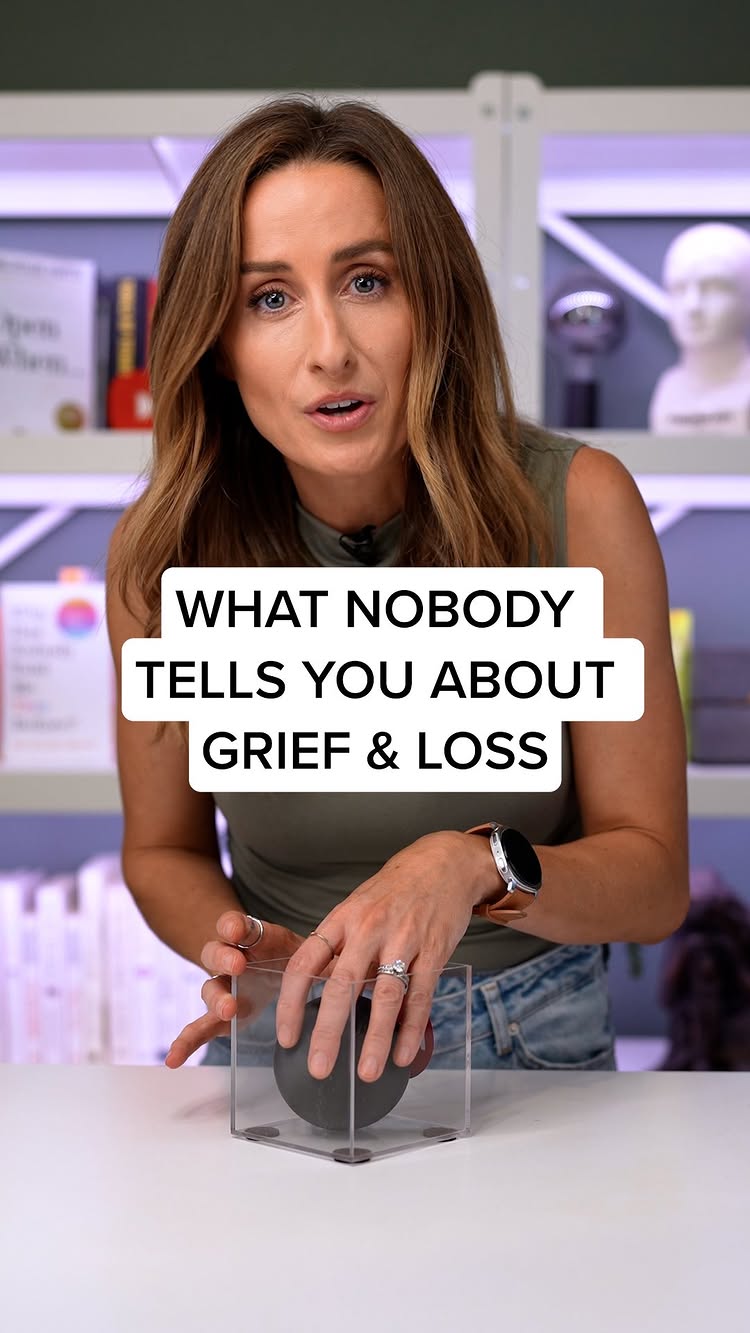
A psychologist uses a plastic box and a ball to show how grief does not shrink over time, but our life grows bigger around it.

1.9M views
48K likes
679 comments
11K shares
9.9K saves
2.2M followers
55s long
2.5% liked
hookA friendly speaker makes direct eye contact and asks the viewer to imagine their life using a clear prop.
  • Friendly speaker. A woman in a simple top stands in a bright room in front of purple shelves.
  • Bright setting. Soft lighting and colorful books make the set feel warm and inviting.
  • Gentle audio. Calm background music plays as she speaks clearly into the camera.
  • Clear text. White text bubbles pop up on screen to highlight her words.
  • Broad topic. Grief and loss affect almost everyone, making the message universal.
retainThe simple physical demonstration keeps viewers watching to see how the visual model changes.
  • Simple props. A clear box and black balls turn an abstract emotion into a physical object you can see.
  • One unbroken take. The video uses 1 unbroken take over its 55.1 seconds, keeping total focus on the demonstration.
  • Surprising idea. She challenges the common belief that grief shrinks over time.
  • Clear steps. The visual story moves smoothly from a small box to a larger box.
  • Right length. The message is explained fully in under a minute without wasting any time.
rewardViewers walk away with a comforting and clear framework for understanding their own pain.
  • Validation and comfort. Viewers feel reassured that having big pain does not mean they are failing to heal.
  • Visual memory tool. People get a simple picture to help them process hard emotions.
  • Hopeful perspective. The lesson encourages viewers to grow their life rather than force their feelings to shrink.
dr julie smithgrieflosspsychologymental healthemotional healthball in a box theoryhealingself helpmental wellnesscopingadvicevisual analogypsychologistshort lesson

⚫️ What nobody tells you about grief & loss 🖤 👉 If your loss still feels as painful as the day it happened, I want you to read this: However you might have judged yourself along the way, you are not grieving too much or too little or too long. And you most certainly are not expected to “get over it.” Over time, you might find yourself stepping back into your life in small ways. And whether you hate every second of it, or feel guilty for enjoying it, you are doing the painful work of creating space for life around this huge loss. Friendships that hold you, routines that steady you, responsibilities that strengthen you. They all count. The pain still lives with you, as it always will. But your willingness to face this new chapter in whatever ways you can, is not leaving the loss behind. It is building the strength to carry that grief with you. It is not an attempt to shrink the pain, but to create a life around it so that pain does not fill the entire space. Feel free to share @drjulie ❤️ For more on living through grief both my books have you covered. ‘Open When...’ was an instant No.1 Sunday Times and New York Times bestseller.. Also check out my multi million copy bestselling 1st book ‘Why Has Nobody Told Me This Before?’ Both are available across the world in over 40 languages. If you brought a copy of either of my books thank you for the support 🙏 The original source of this concept is unclear but it appears related to the the work of Lois Tonkin for anyone who wishes to check out her work on grief.

watch on instagram
7

@drjulie Dr Julie Smith | Psychologist · 14 Dec 2025

10.0x outlier

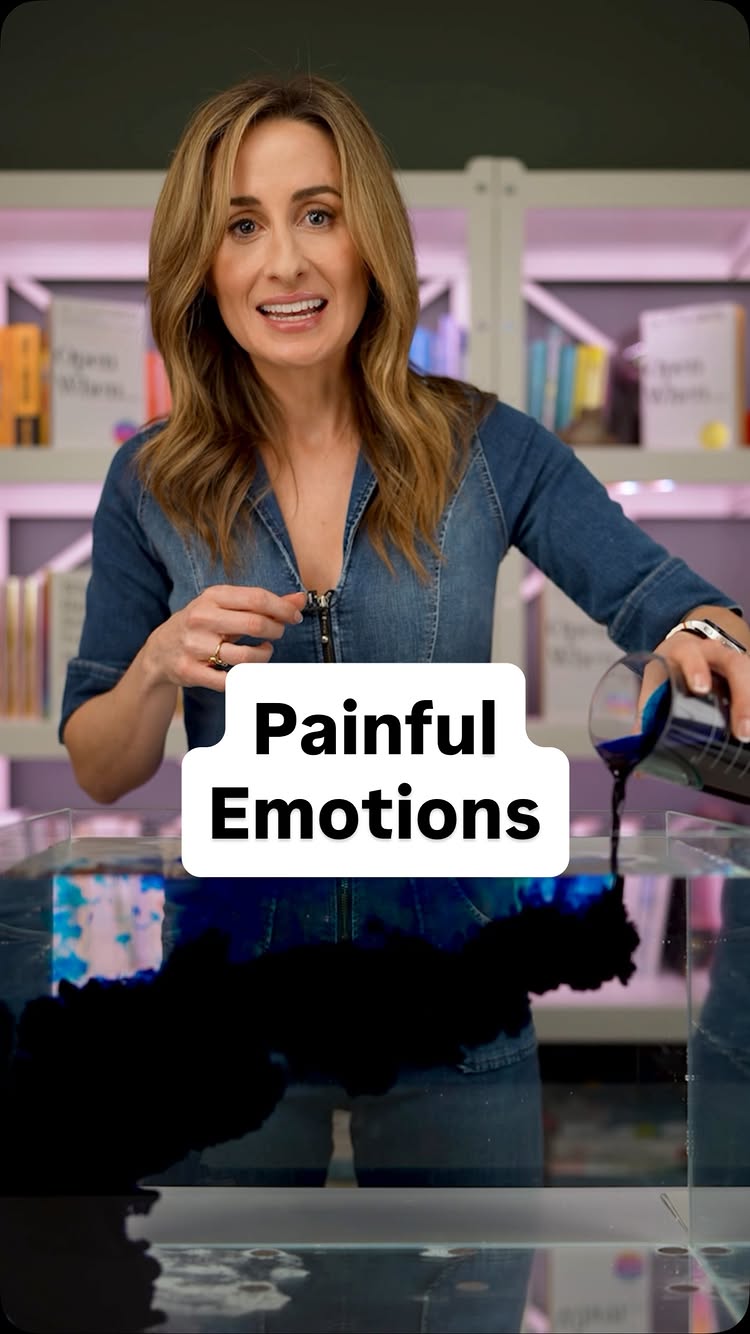
A psychologist uses a tank of clear water and black ink to show how painful emotions pass when you let them be.

1.7M views
43K likes
356 comments
6K shares
7.9K saves
2.2M followers
47s long
2.6% liked
hookA woman pouring dark ink into a clear water tank immediately catches your eye.
  • Host appearance. A woman in a denim outfit stands behind a clear tank holding a cup of dark ink.
  • Studio setting. Bright studio lighting with white shelves full of colourful books in the background.
  • Soft audio. Gentle piano music plays softly under her calm speaking voice.
  • Clear text. Subtitles appear at the bottom of the screen reading The water is you.
  • Universal topic. Managing tough emotions is a challenge every person faces.
retainThe steady visual shift in the water keeps you watching to see how the ink dissolves.
  • Visual demonstration. Pouring black ink into clear water shows how bad feelings temporarily cloud our minds.
  • Single unbroken take. One unbroken take lasting 46.7 seconds creates a peaceful and steady pace.
  • Simple props. The water tank and ink cup make a complex mental health concept easy to see.
  • Clear lesson. Her explanation that welcoming emotions helps them fade is easy to understand.
  • Right length. The length matches the time it takes for the visual trick to reveal its lesson.
rewardThe viewer gains a calming visual trick for managing hard feelings.
  • Feeling reassured. The video reminds you that bad feelings are temporary experiences.
  • Practical lesson. You learn to let emotions pass instead of fighting them.
  • Visual memory. The ink and water image gives you a mental picture to use during tough moments.
dr julie smithpsychologistmental healthemotional wellnesspsychology tipsink water metaphorcoping mechanismsself care advicemindfulnessemotional regulationvisual demo

👀 Did you spot the shift? 👉 It’s easy to miss it at first, because it is so gradual. But that is how change in emotion state tends to happen too. It’s not the flip of a coin. It’s a gradual shifting that takes time. The trouble with that is we become impatient when the feeling is uncomfortable or painful. We want it gone now. So, the temptation is to do whatever numbs it fast. Every time we do that, we lose touch with the natural course that human emotion will take, when we allow it to be present. It increases in It’s intensity, then slowly comes back down. 👉 ‘When it’s difficult to be with your feelings’ is the title of a whole section of my new No.1 Sunday Times & New York Times Bestseller, Open When. It breaks down into all the emotions we tend to struggle with, and I talk you through how to get through and out the otherside in the best way possible. 👉‘When it’s difficult to be with your feelings’ is the title of a whole section of my new No.1 Sunday Times & New York Times Bestseller, Open When. 💬 Comment the word ‘book’ I will DM you the links to some amazing discounted prices. Also check out my multi million copy bestselling 1st book ‘Why Has Nobody Told Me This Before?’ Both are available across the world in over 40 languages. If you brought a copy of either of my books thank you for the support 🙏

watch on instagram
8

@drjulie Dr Julie Smith | Psychologist · 5 Feb 2026

9.5x outlier

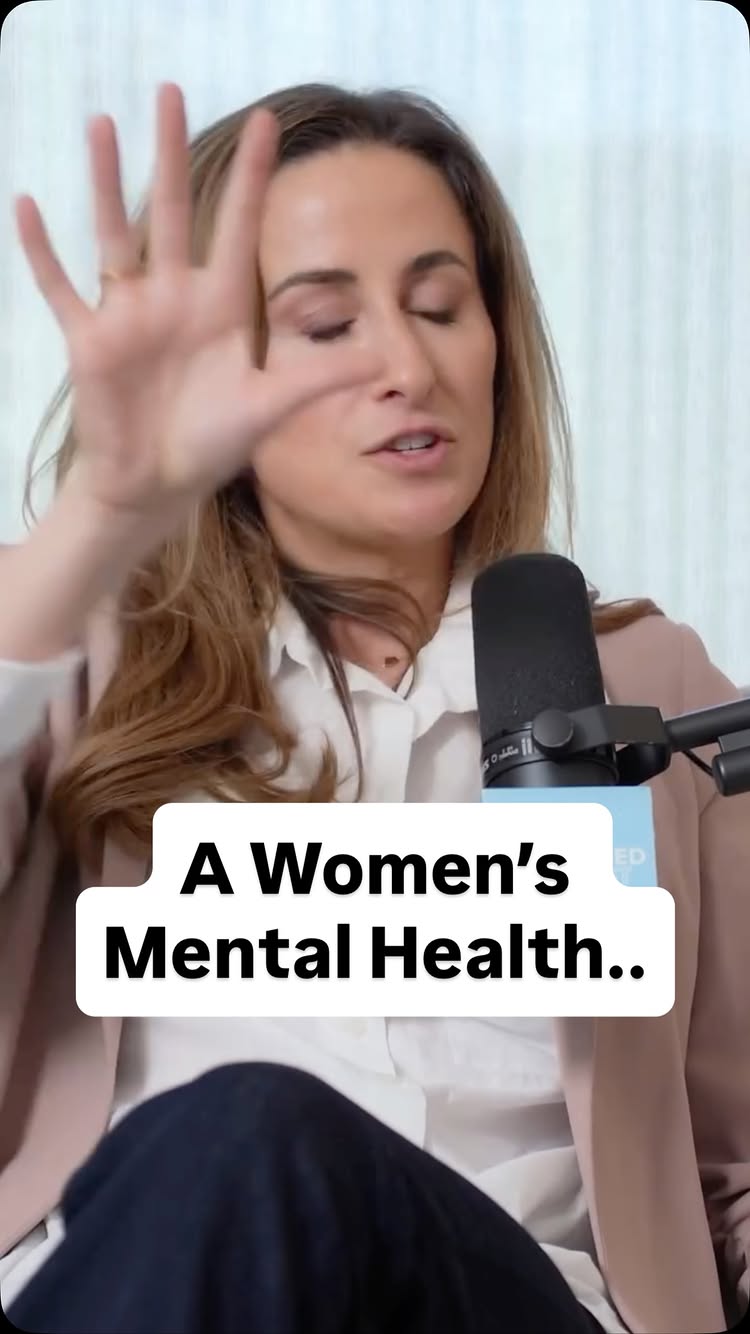
A psychologist explains why a new mother's mental health is so fragile by comparing postpartum life to tactics used to break people down.

1.6M views
36K likes
261 comments
12K shares
6.1K saves
2.2M followers
29s long
2.2% liked
hookA bold claim about a woman's mental health after giving birth makes viewers stop and listen.
  • Smart host. A well dressed woman sits on a couch in front of a podcast microphone.
  • Studio setting. The bright clean podcast studio makes the clip feel official and trustworthy.
  • Clear voice. Her calm spoken voice begins right away without background music.
  • Onscreen text. White text on screen reads 'A woman's mental health is never more vulnerable'.
  • Broad topic. Mental health after having a baby affects millions of parents and families.
retainThe striking comparison between sleep deprivation and weapons of war keeps people listening until the end.
  • Surprising point. She shows that changing routines and taking away sleep are actual ways to break a person.
  • Spoken explanation. She speaks clearly to the microphone rather than acting out a scene.
  • Warm emotion. Her voice and facial expressions show deep empathy for new mothers.
  • Shot count. The video has 4 shots in 28.8 seconds, with a new shot about every 7.2 seconds.
  • Key props. The podcast microphone and glass of water anchor the professional setting.
  • Clear story. The argument builds step by step from sleep loss to emotional breakdown.
  • Good length. Under thirty seconds is just right to deliver one powerful message.
rewardViewers feel understood and learn why early parenthood feels so exhausting.
  • Deep relief. New mothers learn that feeling overwhelmed is a normal reaction to lack of sleep.
  • Better empathy. Loved ones see why new parents need much more help and patience.
  • Important lesson. Viewers learn that sleep loss and isolation break down any human being.
dr julie smithpsychologistunplanned podcastmental healthpostpartum depressionnew momparenting advicesleep deprivationmaternal healthbaby careself carewomen health

👉 A woman’s mental health is never more vulnerable than in the first year after she has given birth. If you have noticed your wellbeing fluctuating since having a baby, I have a message for you. It’s not your fault. Having a baby has never been easy but our modern world, with all of it’s advantages that make life easier, seems to get this one so wrong. And both Mothers, Fathers and babies pay the price. The reason that mental health is so at risk during this time is because the core pillars of defense are all knocked out from beneath you. Some of those we can’t control, like sleep. Others we could use to help ourselves stay well, like social connection, nutrition and movement. But for anyone living in a place where community no longer exists, and Surestart centres or groups have been shut down, trying to look after your mental health alone, at the time when you need support more than ever, can feel overwhelming. We must do better for families. Feel free to share this message / video @drjulie ❤️ 👉 For anyone who needs a helping hand through those often dark and lonely moments check out my New York Times / Sunday Times bestselling book ‘Open When...’ it is finally out now worldwide (link in bio) Also check out my million copy bestselling 1st book ‘Why Has Nobody Told Me This Before?’ Both are available across the world in over 35 languages x If you want to hear the rest of this conversation, you can listen on the @unplanned__podcast

watch on instagram