all creators

Cleo Abram

@cleoabram · science, tech, facts

open on instagram

Video journalist making HUGE* If True, an optimistic show about tech. Prev: Vox, Netflix. Watch our new episode 👇

https://youtu.be/GjDlPhwsdCs?is=JhoL-LBrzQ07fBny

3.2M followers
20 reels read
49.1x best outlier
14.0x typical
80M views in here
28 Jul 2026 newest

how they make thembroad appeal, broad topic, simple story, surprising idea, surprising facts, text on screen, visual explanations, big text

cleo abramscienceearth scienceantarcticaeducationalscience explaineddeep seascience factsgiant squidocean scienceengineeringmarine biologyspace scienceeducational videofun factseducational animationscience videoeducational shortnaturebiologytech breakdownoceandiscoveryunderwater camera

20 reels in the database, most viral first

1

@cleoabram Cleo Abram · 21 May 2026

49.1x outlier

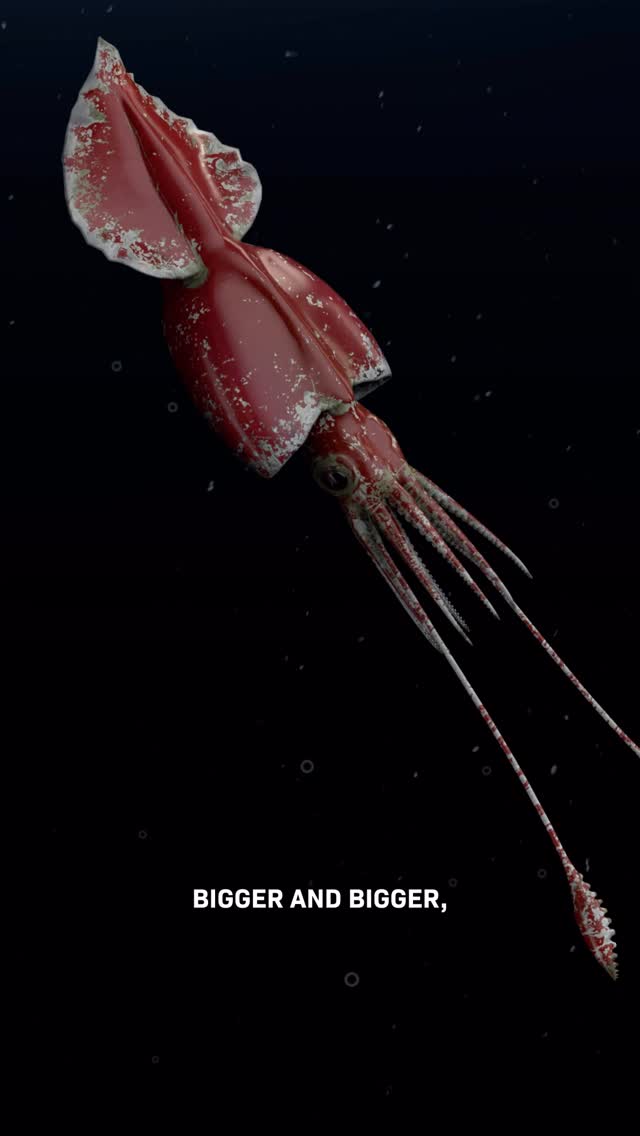
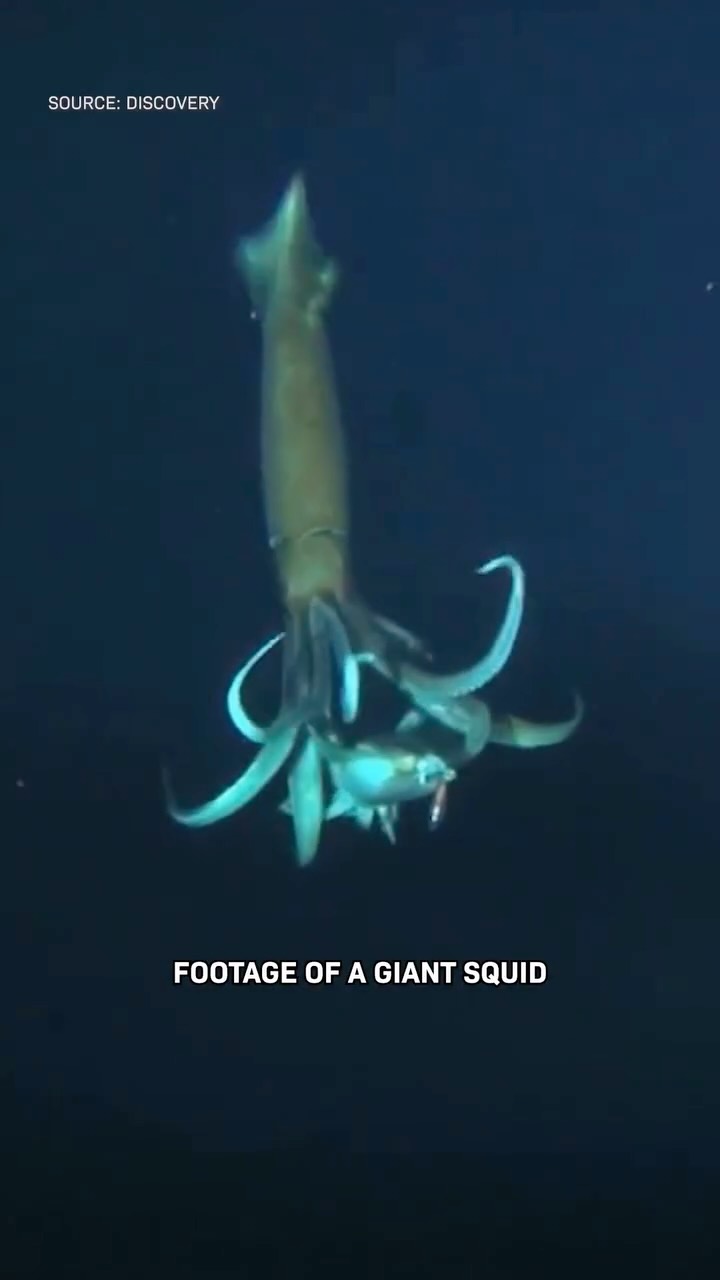
Cleo Abram explains how scientists built a special camera to capture the first footage of a giant squid in the ocean.

11M views
615K likes
1.2K comments
51K shares
39K saves
3.2M followers
51s long
5.7% liked
hookCleo starts with a bold claim about iconic footage while showing a real giant squid.
  • Friendly face. Cleo speaks directly to the camera with high energy in a bright home office.
  • Bold claim. Text on screen says THIS IS THE FIRST EVER as Cleo opens her hands wide.
  • Cool footage. The video cuts to real footage of a giant squid swimming in the dark sea.
  • Broad appeal. Almost everyone loves sea monsters and wants to see rare ocean mysteries.
retainThe video breaks down a hard engineering problem into three easy steps with fast cuts.
  • Step by step. The story follows clear steps on how to remove sound and light.
  • Fast pacing. There are 23 shots in 51.1 seconds, giving a new shot about every 2.2 seconds.
  • Simple diagrams. Clean 3D models show how red light travels through deep water.
  • Great payoff. The clip ends with exciting video of the squid grabbing the camera lure.
rewardViewers learn how clever thinking allowed humans to see a mysterious ocean creature.
  • Cool fact. Viewers learn that red light is invisible to creatures living in the deep sea.
  • Sense of wonder. Seeing a giant squid in its natural home feels exciting and rare.
  • Problem solved. Viewers feel inspired by how smart engineers solved a tricky challenge.
cleo abramgiant squiddeep seaocean scienceunderwater camerafootagenature documentaryengineeringscience explainersvampire squidmarine biologyviral videoscience news

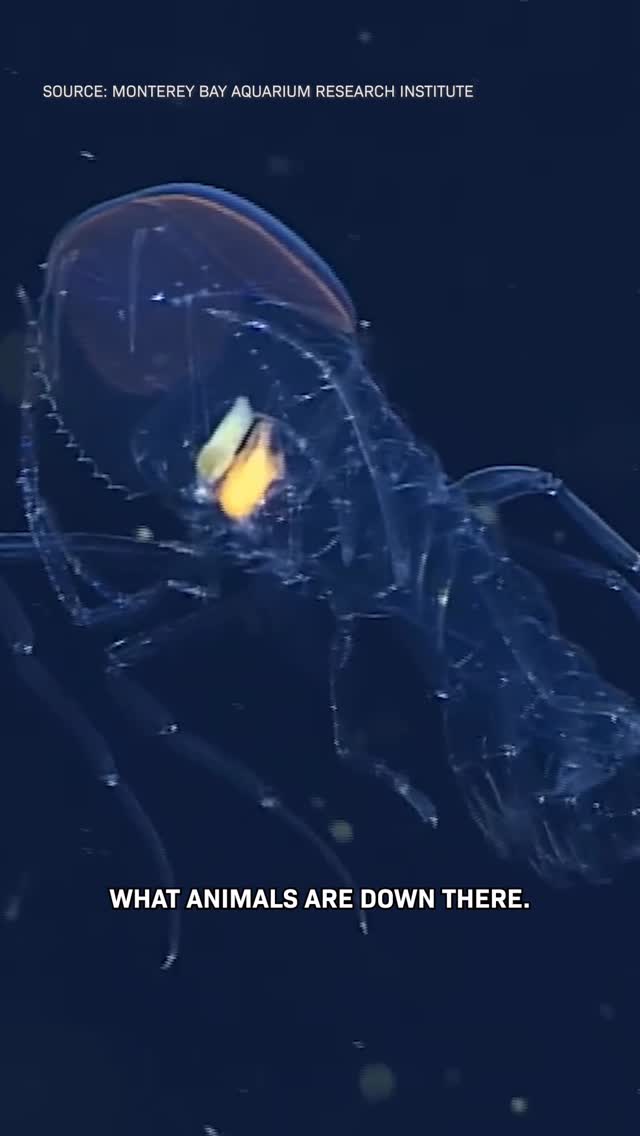
How they found the giant squid… This is the first ever footage of a giant squid in its natural habitat. It took decades to get this footage. And some creative engineering. The further down into the ocean you go the darker it gets, so when scientists make their way down there with ROV’s or subs the lights and motors typically cause animals adapted for cold, dark isolation to flee. In 2012, one scientist got creative and finally caught some incredible footage of a deep sea creature we’d never seen before in its natural habitat. For more, subscribe! #deepsea #seamonster #ocean #science

watch on instagram
2

@cleoabram Cleo Abram · 16 Jul 2026

43.4x outlier

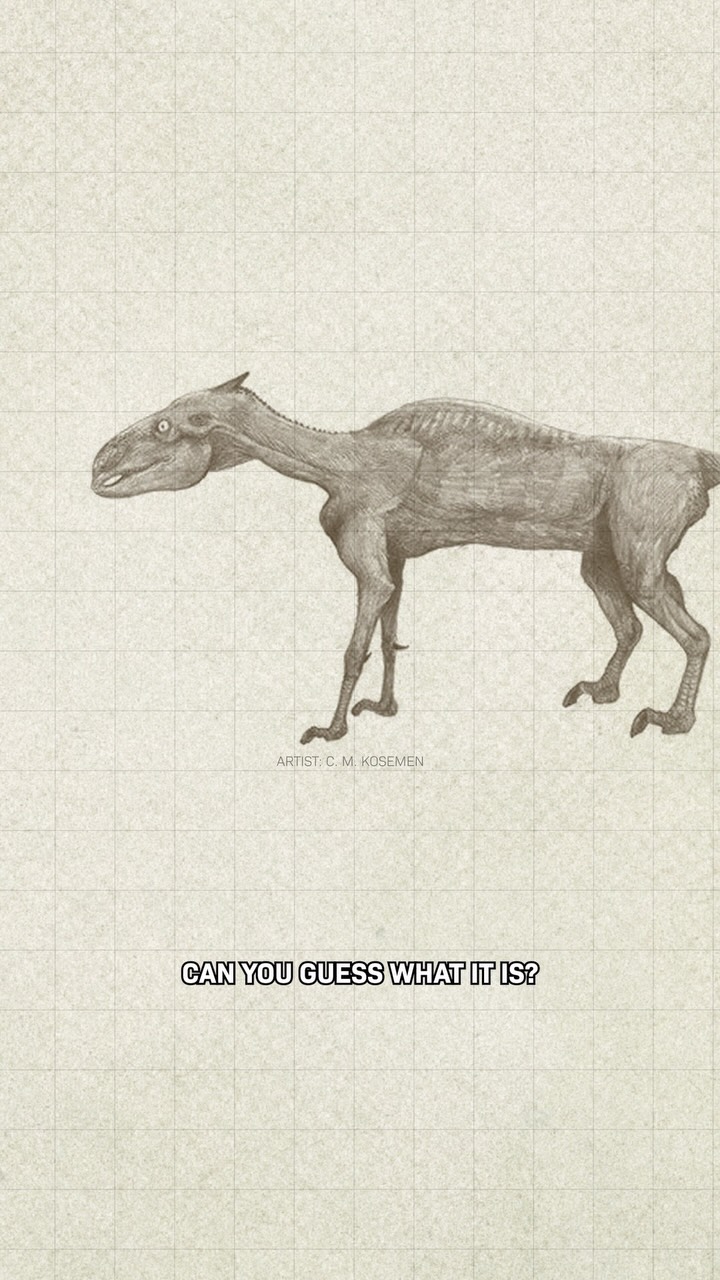
Cleo Abram explains shrink wrapping in science drawings and how it made people misunderstand what dinosaurs looked like.

9.6M views
283K likes
752 comments
32K shares
27K saves
3.2M followers
36s long
3.0% liked
hookA person stops scrolling because the speaker points out a strange monster drawing and asks the viewer to guess what normal animal it really is.
  • Presenter appearance. Cleo Abram wears a bright red sweater and speaks warmly straight into the camera.
  • Setting and light. She sits in a cozy, bright room filled with books and leafy plants.
  • Background sound. Clear spoken audio plays with gentle background music.
  • Text on screen. Bold white captions at the bottom show her exact words.
  • Broad subject. Asking viewers to guess a mystery drawing catches anyone who likes animals, art, or mysteries.
retainViewers keep watching to test their guesses on scary drawings and to learn how dinosaurs really looked.
  • Surprising idea. Showing that a terrifying drawing is just a zebra or a hippo makes people want to see the next surprise.
  • Shown visually. Drawings, outlines, and pictures of real animals show the concept instead of just explaining it.
  • Acting style. Cleo speaks with energetic curiosity, making science feel like a fun riddle.
  • Fast shot pacing. There are 6 shots in 35.8 seconds, with a new shot about every 6.0 seconds.
  • Useful props. Drawing illustrations and animal photos help make the point clear.
  • Simple story. The video shows the bad art technique first, proves it with modern animals, and then applies it to dinosaurs.
  • Matching length. The quick explanations fit the short video format without wasting any time.
rewardThe viewer learns how scientists used to draw dinosaurs incorrectly and feels smarter about ancient life.
  • Taught something. Viewers learn what shrink wrapping means in science art.
  • Surprised by art. Viewers are amazed at how weird modern animals look when drawn without fat or muscle.
  • Satisfied with answers. Viewers get to test their guesses and see the real animals revealed.
  • Inspired to learn. Viewers want to watch the longer video to learn more about real dinosaur bodies.
cleo abramdinosaur drawingsscience historypaleontologyshrink wrapping artanimal illustration guessing gamedinosaur factseducational short videoextinct animalsprehistory lesson

Can you guess this animal? This is a drawing of a modern animal…. if you drew it the way many early science illustrators drew dinosaurs. They just drew skin wrapped around bone without muscle, turning this normal animal into a monster. Can you guess what it is? This is called “shrink wrapping” and it has affected the way a lot of us think about what dinosaurs looked like… If you want to know more about dinosaurs, watch our longer video and follow along! #animation #illustration #dinosaur #science #stemfacts

watch on instagram
3

@cleoabram Cleo Abram · 10 Jun 2026

33.4x outlier

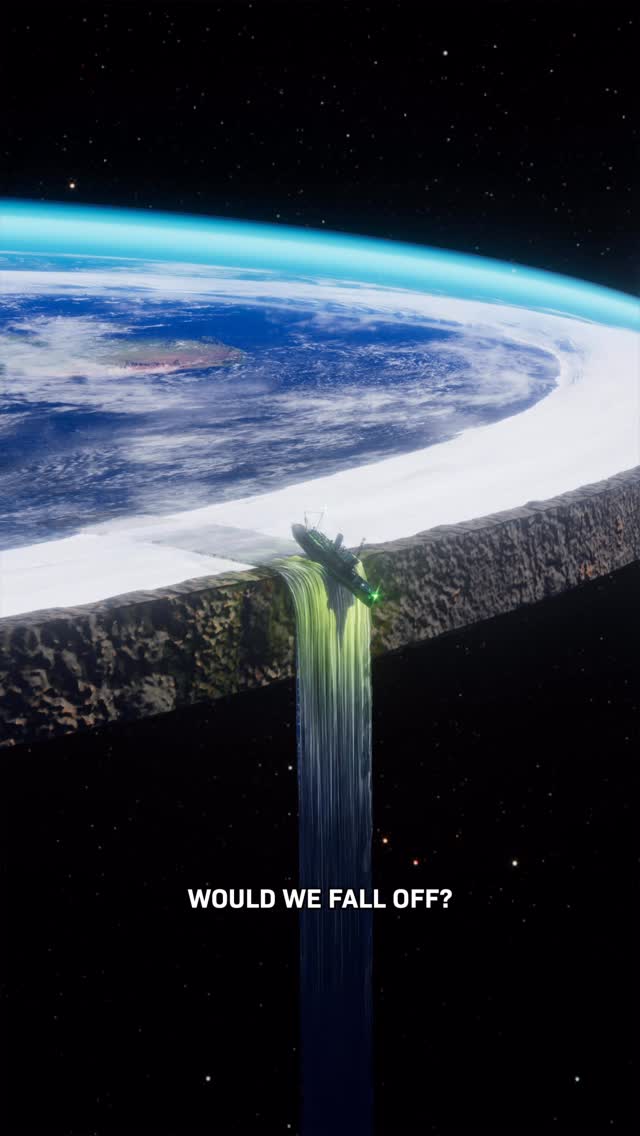
Cleo Abram explains what would happen to gravity, ocean water, and life if Earth was flat instead of round.

7.4M views
421K likes
6.6K comments
37K shares
31K saves
3.2M followers
55s long
5.7% liked
hookA viewer stops scrolling because a friendly presenter asks a big question while a round Earth squishes into a flat disk.
  • Friendly speaker. A smiling woman speaks directly to the camera with high energy.
  • Bright indoor space. Soft light and plants fill a neat home office background.
  • Catchy background music. A light beat plays behind her clear speaking voice.
  • Fun graphic title. Bold text asks what happens if Earth was flat while a sphere turns into a disk.
  • Broad appeal. Almost everyone has heard flat Earth rumors and wants to know the real physics.
retainPeople watch to the end to see all the surprising ways a flat Earth destroys normal life.
  • Surprising ideas. Sideways gravity pulling everything toward the middle is a crazy image.
  • Visual explanations. 3D space animations show ocean water gathering in the center and trees growing on angles.
  • Lively host. Cleo uses warm smiles and big hand gestures to keep viewers engaged.
  • Quick editing pace. The short features 22 shots in 55.2 seconds, cutting to a new shot about every 2.5 seconds.
  • Simple logic path. The story moves smoothly from gravity pull to oceans, tree angles, magnetic fields, and radiation.
  • Good content fit. The lesson covers a lot of ground quickly without feeling slow.
rewardViewers walk away with a clear understanding of why Earth needs to be round for us to live.
  • Taught real physics. Viewers learn how gravity pulls toward mass centers and how liquid cores create protective shields.
  • Satisfied curiosity. Seeing simulated flat Earth problems clearly answers flat Earth claims.
  • Eager to learn. Clear visuals make hard science feel fun and easy to share.
cleo abramscience factsflat earthspace physicsearth sciencegravity explainedspace scienceeducational videoscience animationphysics breakdownfun factspopular science

What would happen if the Earth was actually flat? Would we… fall off? Would we spin to the edge? To find out how scientists know what’s really at the center of the Earth, subscribe! #shorts #earth #flat #science #space physics

watch on instagram
4

@cleoabram Cleo Abram · 10 Apr 2026

27.1x outlier

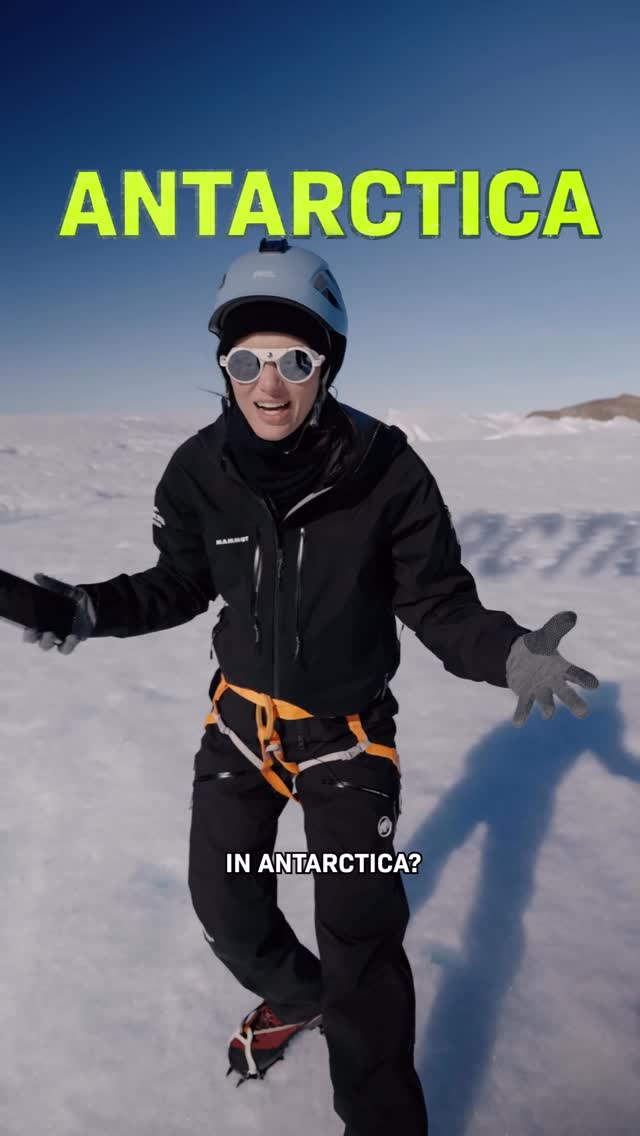
Cleo Abram explains why Antarctica does not have an official time zone and how people there set their clocks.

6M views
339K likes
619 comments
44K shares
20K saves
3.2M followers
47s long
5.7% liked
hookA fast question about how time works at the South Pole stops you because it sounds like a puzzle.
  • Face in frame. Cleo speaks straight to the camera in a bright room.
  • Quick shift. The video cuts to a snowy white landscape with Cleo in climbing gear.
  • Upbeat voice. Cleo speaks with bright energy that makes you want to listen.
  • Big text. Bold text asks what time zone Antarctica uses.
  • Broad topic. Time and travel are things that every person understands.
retainClear graphics and real clips from the ice keep you watching until the end.
  • Surprising idea. Seeing that all time lines meet at the bottom of the world feels strange.
  • Fun graphics. Lines drawn on the snow show where the time zones meet.
  • Energetic host. Cleo walks through the snow and holds up her phone to keep things active.
  • Fast edits. The video cuts between 24 shots in 46.8 seconds, changing the view every 1.9 seconds.
  • Simple story. She explains that bases pick the time zone of the place that brings them food.
rewardYou learn a neat science fact and feel excited to learn more about the frozen continent.
  • Learned something. You learn that Antarctica is the only continent without an official time zone.
  • Cool detail. You find out that people choose their time based on their food supply.
  • Curious feeling. You want to follow her to see what is hidden deep under the ice.
cleo abramcleoabramscienceantarcticatime zonessouth poletraveleducationalscience communicatorsnowiceglobal timefun factsgeographyearth sciencepolar research

What time is it in Antarctica? All of the timezones meet here at the bottom of the world, so, could you run through all of them? Is it every time zone? I went to Antarctica! We’re making a longer episode all about what’s hidden underneath the ice… so follow along to see it… #shorts #science #antarctica #time #southpole

watch on instagram
5

@cleoabram Cleo Abram · 26 Apr 2026

21.5x outlier

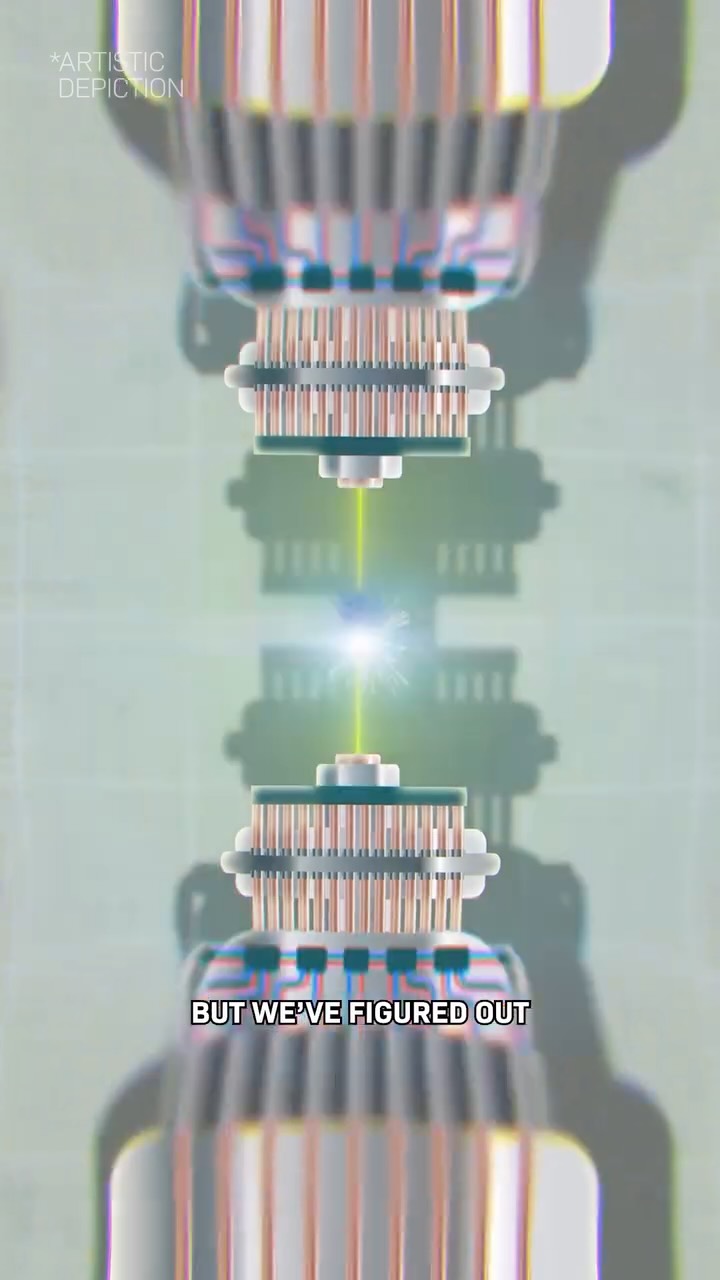
Cleo Abram explains how scientists built a special container to move antimatter in a truck without blowing it up.

4.7M views
234K likes
1.5K comments
0 shares
0 saves
3.2M followers
48s long
4.9% liked
hookThe video starts with a wild claim about antimatter inside a truck to grab immediate attention.
  • Bright visuals. Cleo Abram stands in a well lit room and points at the screen.
  • Bold text. Big white captions appear reading 'THERE'S ANTIMATTER'.
  • Upbeat sound. Fast background music and sound effects start right away.
  • Broad appeal. Anyone curious about space or big explosions will stop to listen.
retainFast edits and colorful animations keep people watching to see if the truck explodes.
  • Surprising story. It is surprising that scientists move dangerous antimatter on normal roads.
  • Clear visuals. Fun graphics show how atoms work instead of just talking.
  • High energy. Cleo talks with big hand movements and excitement.
  • Fast cutting. The clip cuts 24 times across 25 shots in 48.2 seconds to stay snappy.
  • Real footage. Real video clips from CERN show the truck and the metal trap.
  • Simple steps. The idea flows easily from what antimatter is to how they catch it.
rewardViewers learn how real scientists safely transport antimatter across labs.
  • Cool facts. Viewers learn that antimatter explodes when it touches regular matter.
  • Feeling smart. Big science ideas feel easy to understand through simple pictures.
  • Sense of wonder. People feel amazed that scientists built a giant trap for tiny atoms.
cleo abramscience explainedphysics factsantimattercern labtransport truckatomsouter spacehydrogen atomsimple educationcool technologyscience experimentshort video

There’s antimatter in this truck!! And if matter meets antimatter…it goes BOOM! We’ve figured out how to make and store antimatter, but they’re super delicate atoms, so to study them we need a super quiet environment that requires moving them! So scientists built a special trap in order to transport antimatter… #shorts #science #CERN #antimatter #physics

watch on instagram
6

@cleoabram Cleo Abram · 13 May 2026

20.9x outlier

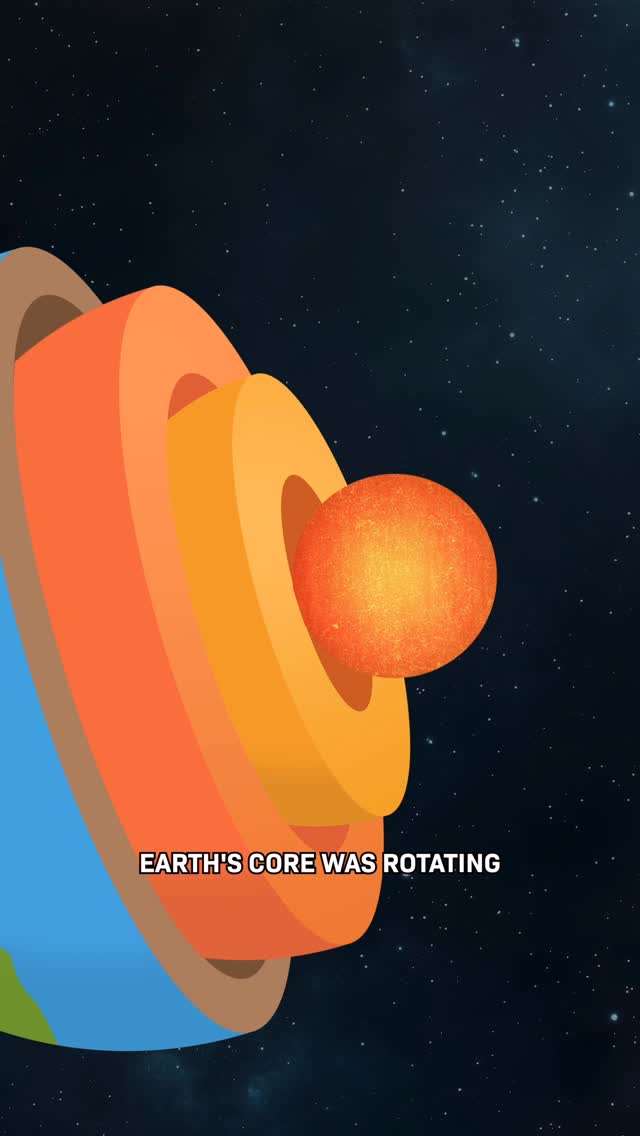
This video explains how scientists figured out that the Earth has a solid inner core without digging down to it.

4.6M views
131K likes
599 comments
0 shares
0 saves
3.2M followers
49s long
2.8% liked
hookA person stops scrolling because a cool cartoon shows how tiny our deepest hole is compared to the whole Earth.
  • Bright visuals. A colorful cartoon shows a worker digging deep into the ground.
  • Simple setting. The video opens on colorful animated layers of the planet.
  • Original audio. Cleo Abram speaks clearly over subtle sound effects.
  • Big text. Large yellow and white text explains that our deepest hole is tiny.
  • Broad appeal. Everyone lives on Earth and wonders what is deep under their feet.
retainA viewer stays to the end because the video uses simple animations to explain a neat science mystery.
  • Surprising facts. It reveals how earthquake waves helped map the center of the planet.
  • Visual explanations. Simple diagrams make complex geology easy to picture.
  • Lively host. Cleo Abram speaks with energy and breaks down big ideas.
  • Shot changes. There are 18 shots across 48.8 seconds, keeping a steady visual pace.
  • Clear graphics. Animated cross sections show how the core spins inside the planet.
  • Easy story. The story moves cleanly from old ideas to earthquake data to modern discoveries.
  • Right length. Under fifty seconds is the right amount of time to explain one discovery.
rewardThe viewer walks away with a clear understanding of how we know what is inside the Earth.
  • Taught something. The viewer learns how earthquake waves act like an ultrasound for the planet.
  • Appreciation for history. They learn about the woman scientist who solved the core mystery.
  • Curiosity sparked. They feel amazed that the core spins at a different speed than the surface.
  • Simple science. They feel smarter after understanding a big topic in under a minute.
cleo abramearth corescience explanationearthquake wavesgeology factshow earth worksinner coreouter coreinge lehmanneducational animationscience storyfun geologylearning video

What’s really inside the Earth? The deepest hole anyone has ever dug is only 0.2% of the way to the Earth’s center. But then….how do we know that our Earth has a solid core?!? For a long time we thought the entire inside was molten, until a scientist looked at how ripples from earthquakes – seismic waves – bounced around inside the earth. Now we know we have a solid inner core that rotates at a different rate than on the surface, and right now it’s slowing down! To find out why, follow along! #science #earth #core #inside #earthquake

watch on instagram
7

@cleoabram Cleo Abram · 14 Apr 2026

18.0x outlier

Cleo Abram explains why deep sea animals near Antarctica grow to giant sizes.

4M views
307K likes
352 comments
0 shares
0 saves
3.2M followers
58s long
7.7% liked
hookThe video stops scrollers by showing a shocked presenter asking a loud question about giant sea monsters.
  • Energetic host. Cleo looks into the camera with an open mouth and big hand movements.
  • Bright room. She sits in a clean home office with a indoor plant in the back.
  • Clear sound. Her loud voice asking a question starts without any delay.
  • On screen text. Big white captions show the words she speaks at the bottom.
  • Broad topic. Giant sea creatures and strange nature mysteries interest almost everyone.
retainPeople watch until the end because the visual clues and clear explanations make complex science easy to learn.
  • Surprising science. The idea that cold water lets animals live longer and grow larger feels amazing.
  • Great footage. Real clips of giant squids and sea spiders show the size of the animals clearly.
  • Expressive acting. Cleo acts excited and surprised, which keeps the tone light and fun.
  • Fast editing. With 31 shots in 58.4 seconds, a new shot lands about every 1.9 seconds.
  • Easy structure. The lesson uses two simple numbered points so anyone can follow along.
rewardViewers learn the cool reason behind giant polar sea creatures and feel smarter.
  • New knowledge. Viewers find out that cold water slows metabolism and holds more oxygen for giant growth.
  • Spooky wonder. Seeing sea spiders the size of dinner plates gives a fun feeling of awe.
  • Curiosity satisfied. The big question asked at the start gets a clear answer by the end.
cleo abramocean sciencepolar gigantismantarcticadeep sea animalsgiant squidsea spidernature mysteriesscience videomarine biologyeducational shortocean factsgiant sea monsters

Why do antarctic ocean animals become giants? Something weird is happening deep in the freezing water at our poles. Animals consistently grow to ENORMOUS sizes. Spiders the size of dinner plates and squid larger than a school bus. “Detecting multiple leviathan class organisms in this area…” WHY? Subscribe to learn more! Footage source: Becky Kagan Schott (:23-:26) #ocean #science #antarctica

watch on instagram
8

@cleoabram Cleo Abram · 24 Apr 2026

17.3x outlier

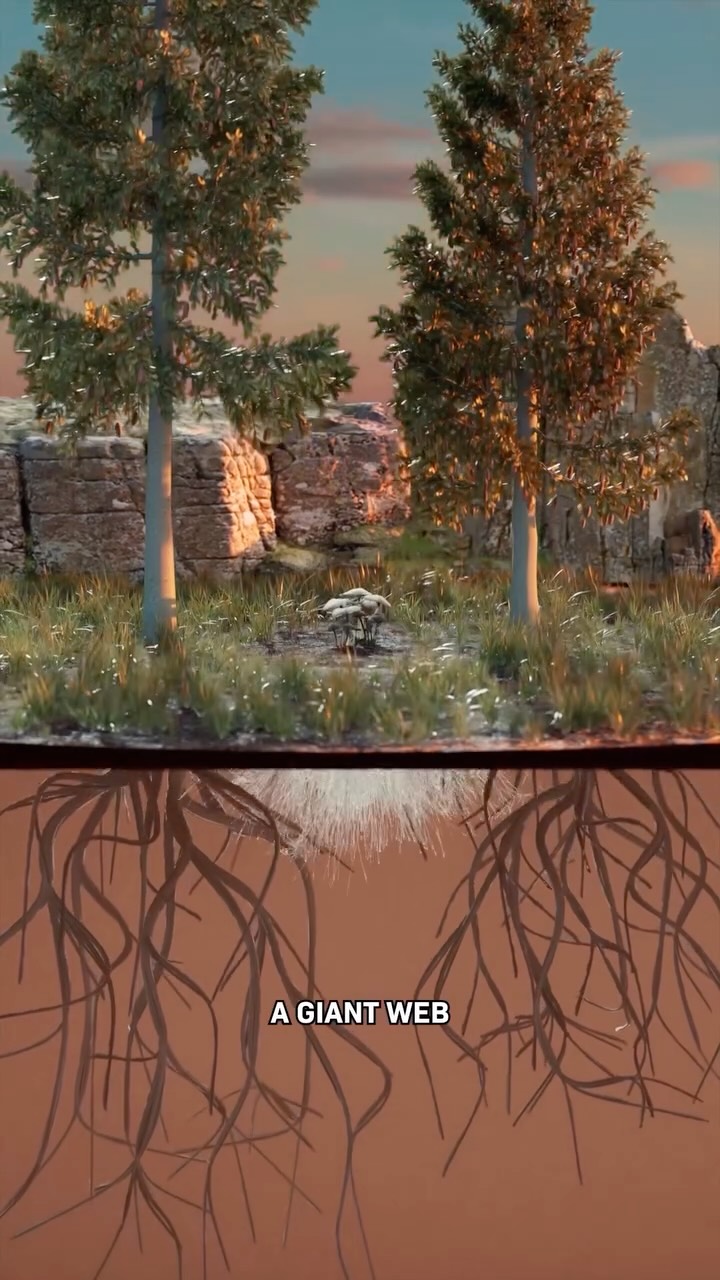
Cleo Abram explains how trees use underground fungi networks to share nutrients and warn each other about danger.

3.8M views
311K likes
1.4K comments
40K shares
22K saves
3.2M followers
52s long
8.1% liked
hookA friendly speaker points down and talks about digging a hole in a forest.
  • Speaker appearance. Cleo Abram looks at the camera with a warm smile in a brightly lit room.
  • Visual setting. The clean background and close camera angle make the video feel direct and friendly.
  • Audio track. Clear speaking voice plays over soft background music.
  • Text styling. Bright yellow and white subtitles show up clearly at the bottom of the screen.
  • Broad topic. Forests and nature appeal to almost anyone who likes learning new things.
retainColorful 3D animations and steady cuts keep you watching as the story moves forward.
  • Surprising idea. The concept that trees share food and send warning signals underground feels like magic.
  • 3D graphics. Glowy animations show roots and fungal threads connecting trees under the soil.
  • Steady cuts. The video uses 16 shots in 51.8 seconds, changing the view about every 3.2 seconds.
  • Movie joke. A short clip from a movie makes the science explanation funny.
  • Easy structure. The video goes step by step from digging a hole to forest wide teamwork.
rewardYou walk away amazed by how connected and helpful trees are to each other.
  • Learned something new. You find out that older trees feed young ones through fungal networks.
  • Sense of wonder. Knowing the fungal network is vast makes the forest feel full of life.
  • Positive mood. Seeing nature work together leaves you feeling happy and hopeful.
cleo abramsciencenaturetreesfungimycorrhizal networktree internetforestecologyeducationaloptimistic sciencelord of the ringsscience explainedbiologyplant scienceearth

There’s a secret network under your feet. If you dug a hole in your nearest forest between the tree roots you would see. A giant web of fungi…so big that if you took what’s in just the top layer of the Earth and spread it out… It would be nearly as long as half the Milky Way Galaxy! And trees use this network to talk to one another…but what are they saying!? If you watch our optimistic videos and you love them, support us, follow along @spununderground #science #fungi #trees #earth

watch on instagram
9

@cleoabram Cleo Abram · 28 Jul 2026

16.8x outlier

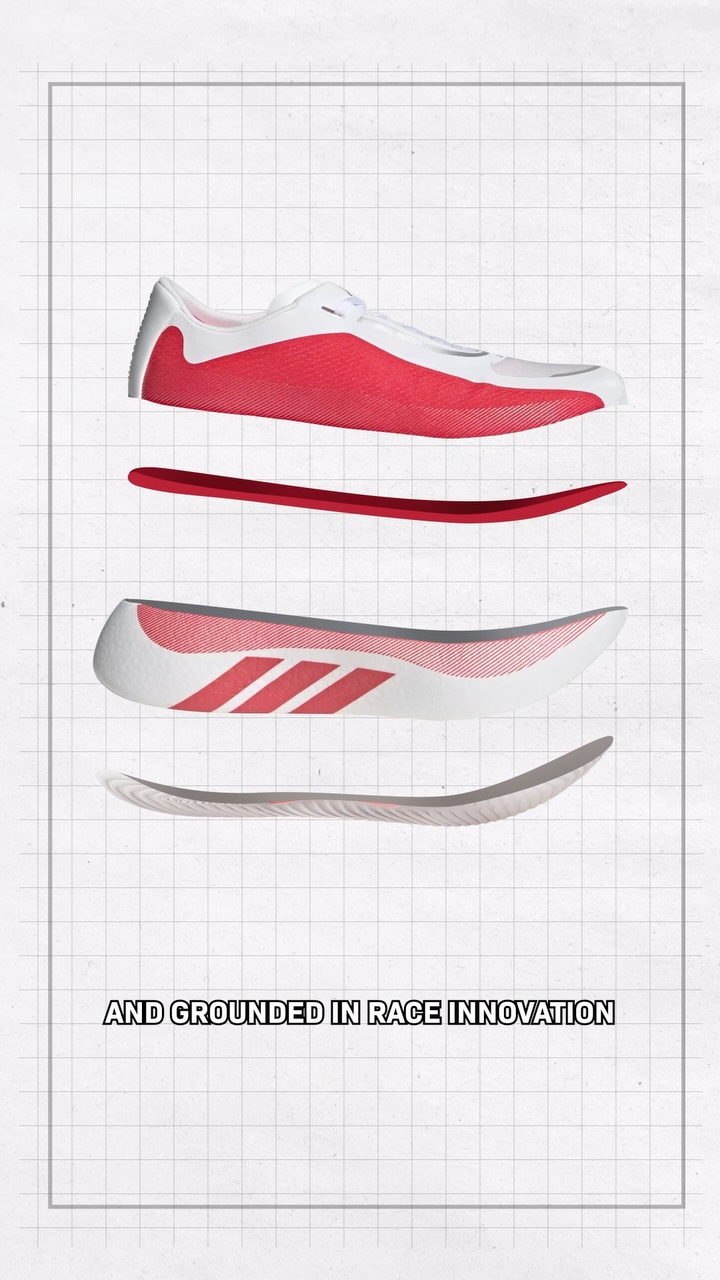
Cleo Abram explains the science behind a new running shoe foam that gives runners energy back without using a stiff carbon plate.

3.7M views
25K likes
281 comments
3.6K shares
1.8K saves
3.2M followers
49s long
0.7% liked
hookThe video stops viewers instantly by showing a woman squashing a shoe right against the lens while talking about amazing new foam.
  • Creator appearance. A friendly creator holds up a shoe directly to the camera with an expressive face.
  • Indoor setting. The warm room with house plants and a podcast mic feels personal and genuine.
  • Clear audio. Her quick upbeat voice sets a bright tone right away.
  • Text on screen. Bold captions highlight key phrases like foam right at the bottom.
  • Broad topic. Running shoes appeal to almost anyone who walks or runs.
retainViewers keep watching because simple experiments and fun visual graphics make the shoe technology easy to understand.
  • Visual demos. Dropping metal balls on desks shows energy return better than just words.
  • Energetic presentation. The creator smiles and speaks with real excitement about tech.
  • Fast video cuts. There are 25 shots in 49.2 seconds, changing about every 2.0 seconds to keep eyes focused.
  • Useful props. Props like tiny foam beads and shoe diagrams help show how the shoe works.
  • Step by step story. The video starts with basic shoe layers and builds to independent testing numbers.
  • Matching length. The idea fits nicely into 49.2 seconds without dragging on.
rewardViewers walk away understanding how shoe foam creates bounce and feeling curious to try the new shoe.
  • Taught something new. Viewers learn what energy return means and how normal running shoes measure up.
  • Satisfying graphics. Watching metal balls bounce higher on the new shoe setup is fun to see.
  • Inspired to run. Viewers feel excited to try out bouncy shoes on their next workout.
cleo abramadidas hyperboost edgerunning shoessneaker reviewshoe techenergy returntech breakdownscience of shoesrunning gearsneakerheadproduct testingproduct review

I tested out adidas’ new Hyperboost Edge running shoes and here’s what they can do. @adidasrunning #ad #createdwithadidas

watch on instagram
10

@cleoabram Cleo Abram · 2 Jun 2026

14.6x outlier

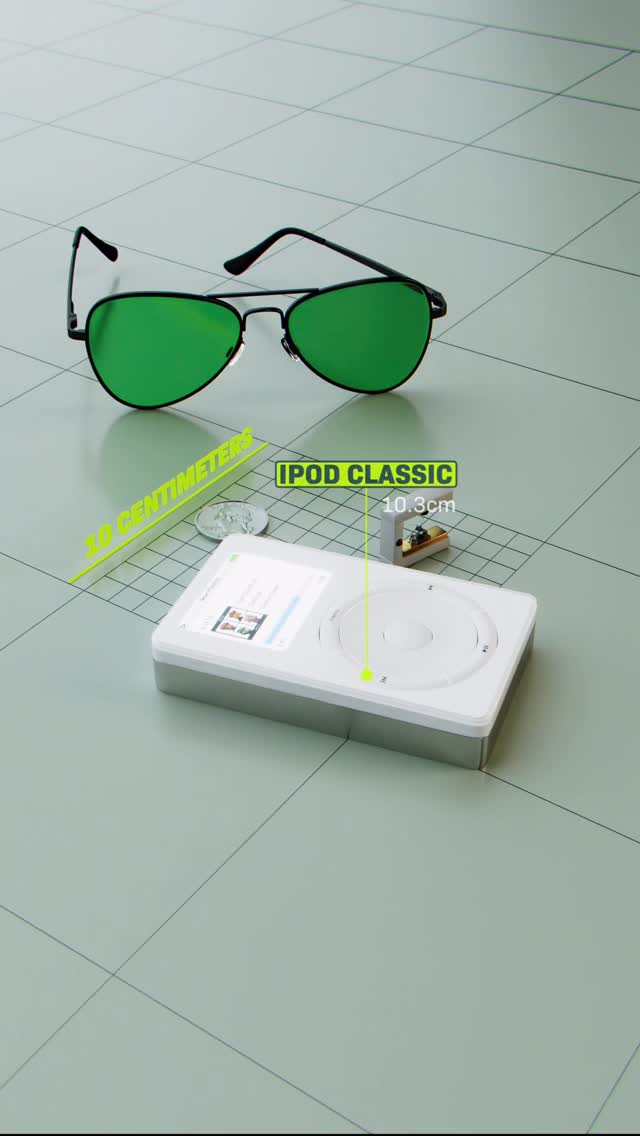
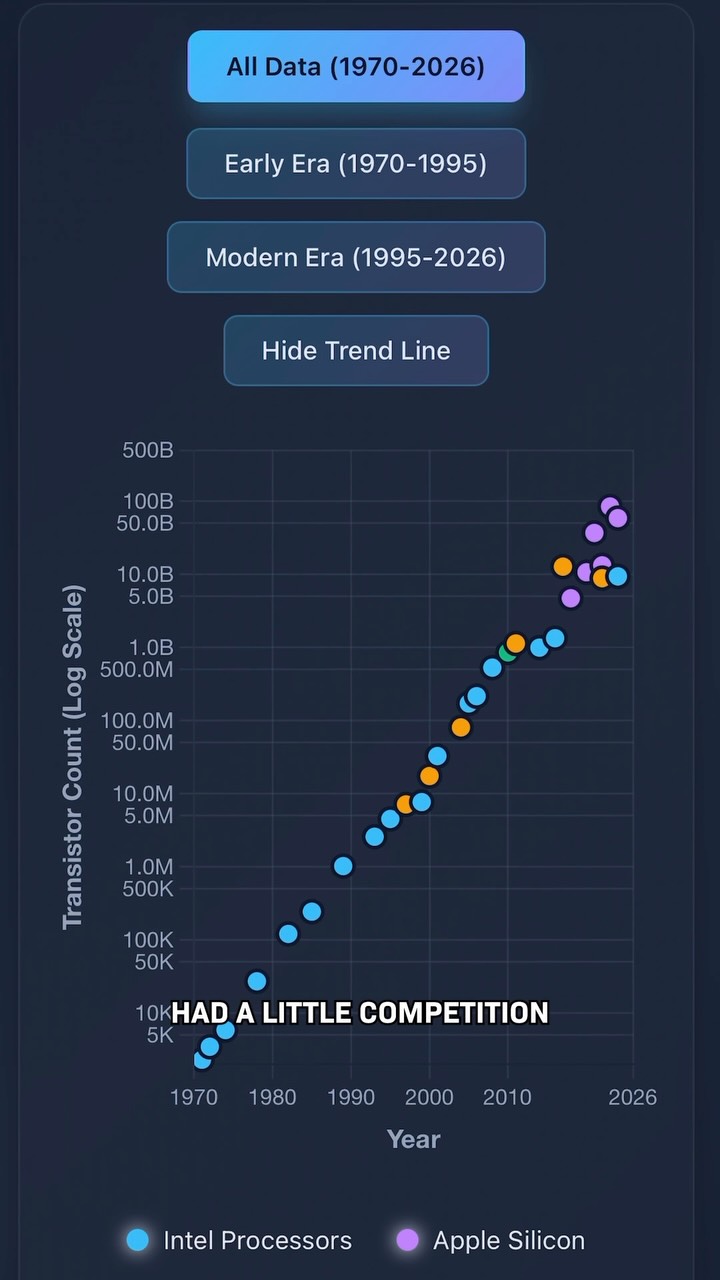
Cleo Abram uses 3D graphics to compare familiar objects with computer transistors to show how tiny microchips really are.

3.2M views
135K likes
689 comments
19K shares
10K saves
3.2M followers
55s long
4.2% liked
hookViewers stop scrolling because an energetic creator asks a simple question about technology everyone uses.
  • Engaging host. Cleo Abram looks into the camera with an expressive and bright face.
  • Cozy studio setting. She sits in a warm room with plants and a microphone.
  • Clear speaker voice. Original audio starts immediately with a surprising statement.
  • Bold visual captions. Big text on screen highlights the core words in white and yellow.
  • Broad interest topic. Anyone who owns a smartphone or gadget is interested in how technology works.
retainThe video holds interest by taking the viewer on a step-by-step visual zoom from real items to tiny nanometers.
  • Show not tell. Bright 3D computer animation shows items next to each other instead of just listing numbers.
  • Easy scale progression. The zoom moves from an iPod to an ant, hair, blood cell, virus, and transistor.
  • Shot pacing balance. There are 6 shots in 54.5 seconds with a new shot about every 9.1 seconds.
  • Crucial graphic props. Detailed models of tardigrades and DNA keep each step visually exciting.
  • Right video length. The 54.5 second runtime fits the zoom concept without wasting any time.
rewardViewers finish the video with a clear visual sense of microscopic scale and modern computer engineering.
  • Mind blown feeling. Realizing modern technology is smaller than a strand of DNA feels amazing.
  • Taught something practical. Viewers learn what a transistor is and how much tech has shrunk over time.
  • Excited to learn more. The ending leaves the viewer feeling curious about future technology.
cleo abramsciencetech explainerstransistor sizemicrochip scaleanimation graphicseducational reelsscale comparisonnano technologyengineeringshort tech lessonsphysics shorts

Transistors are way smaller than you think. I never realized just how small a transistor really is – the electronic switches in everything you use! Let me show you just how small we’re talking… and they’re trying to go even smaller… To learn how, follow along! #science #size #transistor #small #zoom

watch on instagram
11

@cleoabram Cleo Abram · 27 Apr 2026

13.5x outlier

Cleo Abram explains how a giant underwater telescope detected a rare particle from deep space.

3M views
145K likes
418 comments
0 shares
0 saves
3.2M followers
54s long
4.9% liked
hookAn intriguing question about a hidden underwater structure stops viewers from scrolling.
  • Creator visual. Cleo Abram speaks warmly to the camera in a bright office.
  • Audio cue. Upbeat original audio creates an exciting mood.
  • Text style. Bold text highlights key phrases on screen.
  • Broad appeal. Deep ocean mysteries and space discoveries interest everyone.
retainClear 3D graphics and a simple story keep viewers watching to the end.
  • Surprising idea. A space telescope built under the sea feels unexpected.
  • Visual graphics. Simple animations show the huge scale of the underwater strings.
  • Steady flow. The video uses 22 shots over 53.9 seconds to change scenes smoothly.
  • Step story. The explanation moves cleanly from ocean detectors to deep space.
rewardViewers learn about a real ocean experiment tracking particles from space.
  • Taught something. Viewers learn how scientists catch space particles in the ocean.
  • Sense of wonder. Finding deep space signals under water feels exciting.
  • Sparked curiosity. The unsolved space mystery leaves viewers wanting to learn more.
cleo abramsciencespaceoceanneutrinotelescopesicilyunderwaterphysicsastronomydiscoveryastronomy newsspace mysteryeducational videodeep sea sciencespace particle

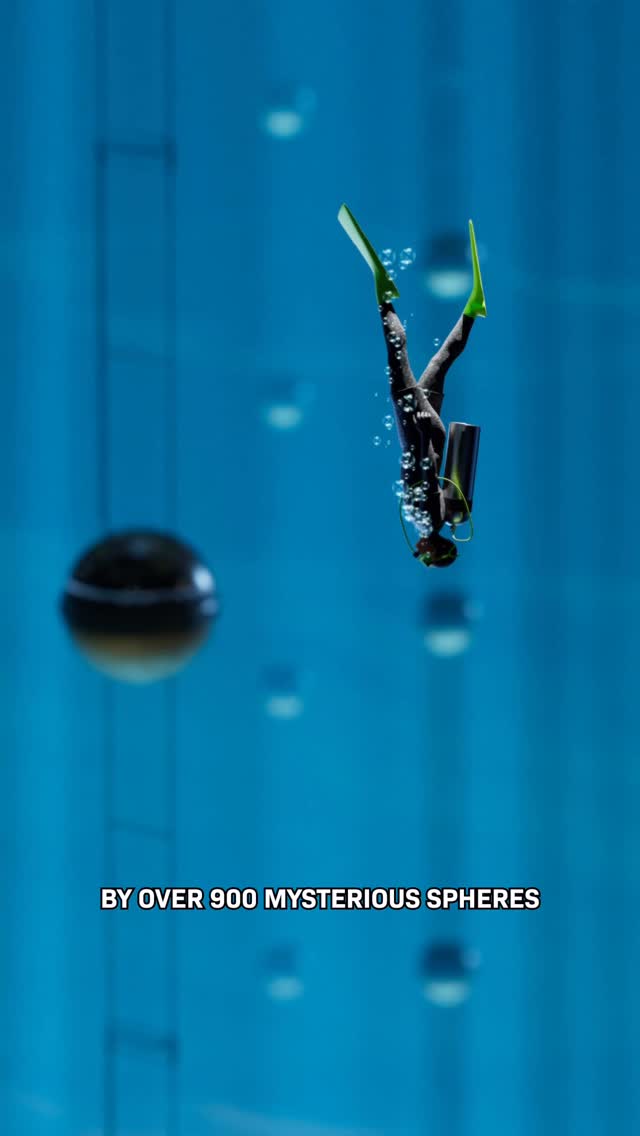
There’s a telescope at the bottom of the ocean. Nearly 3500 meters under the sea off the coast of Sicily sits 51 strings holding 18 spheres each. They sway in the pitch black water and wait for signals from the universe. Scientists have been building this mysterious observatory since 2015, and in February of 2023 they finally saw something. Follow for more! #science #neutrinos #observatory

watch on instagram
12

@cleoabram Cleo Abram · 4 Jun 2026

12.4x outlier

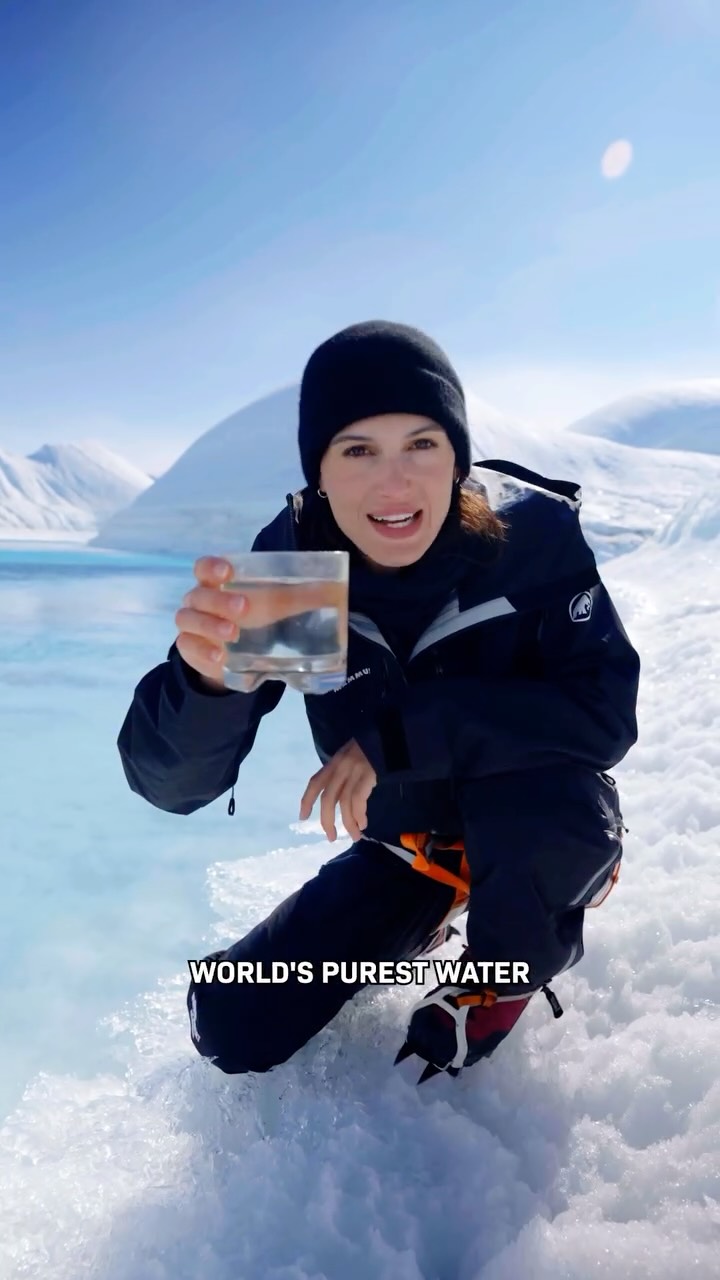
Cleo Abram drinks glacier water in Antarctica while explaining why it is safe and why the rivers look bright blue.

2.7M views
158K likes
328 comments
0 shares
0 saves
3.2M followers
50s long
5.8% liked
hookA creator crouching in snow with a glass of crystal clear water grabs attention immediately because drinking wild water looks risky.
  • First look. A woman in a black cold-weather coat and beanie crouches in the snow.
  • Cold setting. Bright white snow and blue ice surround her under a sunny sky while her voice talks about pure water.
  • Text on screen. Big bold subtitles at the bottom spell out her opening words.
  • Broad appeal. Almost everyone is curious about extreme travel and clean water.
retainSimple graphics and bright footage of blue Antarctic rivers keep viewers watching as she answers key questions about glacier water.
  • Surprising facts. The video answers if ancient bacteria live in melting ice.
  • Visual graphics. Animated drawings show how ice pressure squeezes out dirt, salt, and gas.
  • Upbeat host. Her friendly speaking style makes hard science easy to understand.
  • Regular shot changes. The video uses 22 shots in 49.9 seconds to switch between her talking and landscape views.
  • Real props. Holding a glass of fresh glacier water keeps the focus on the main topic.
  • Clear structure. She pauses for a safety warning before explaining the color and purity.
  • Good length. Under fifty seconds is just enough time to explain two interesting science questions.
rewardViewers learn how natural ice filters water and why glacier rivers look bright blue.
  • Fun science lesson. Viewers learn how compact ice absorbs red light to reflect deep blue.
  • Satisfying result. Seeing her drink the clear water gives a feeling of refreshing cold.
  • Safety tip. Viewers get reminded not to drink random wild water without expert testing.
cleo abramantarcticaglacier waterclean drinking waterscience lessonnature scienceblue riversextreme environmenttravel shortsscience videopolar iceeducationalearth science

The world’s purest natural water. I’m about to drink some of the world’s purest water…in Antarctica. Why is this water SO crystal clear? And why are the rivers it comes from…blue? To find out, watch and follow along! #bluerivers #antarctica #ice #water #science

watch on instagram
13

@cleoabram Cleo Abram · 15 May 2026

10.4x outlier

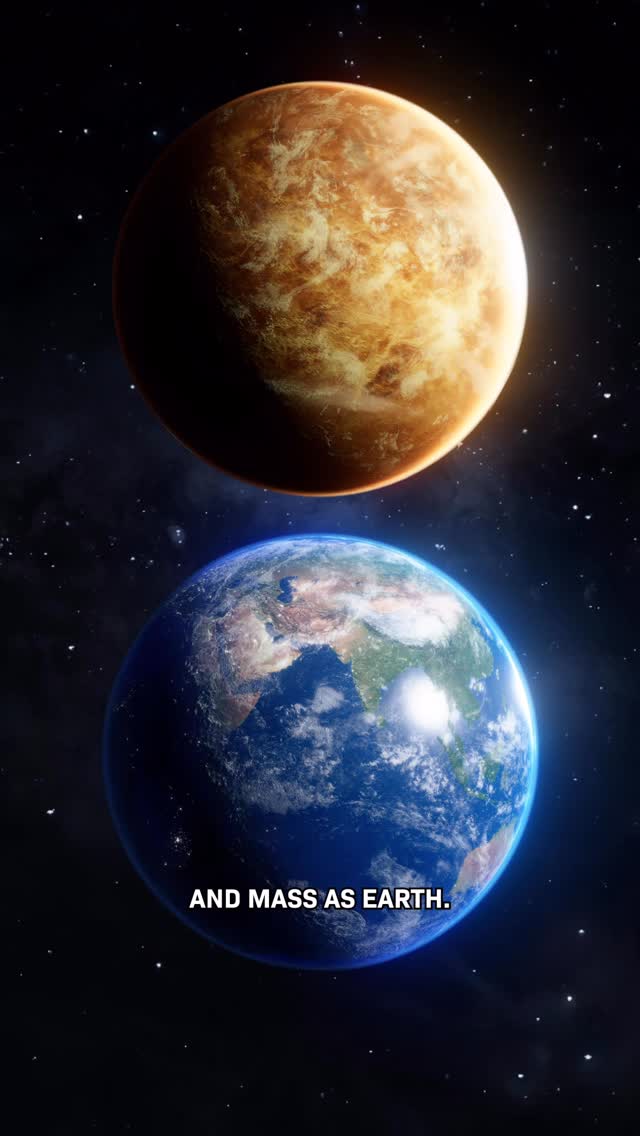
This video explains why Venus is called Earth's evil twin and why space probes are returning there to look for life.

2.3M views
100K likes
566 comments
2.8K shares
5.3K saves
3.2M followers
55s long
4.4% liked
hookThe speaker grabs your attention right away by saying Earth has an evil twin that might harbor alien life.
  • Face first. A woman with dark hair and a red leather jacket looks right at you with an excited expression.
  • Clear setup. She stands in a bright room with green plant leaves and books behind her.
  • Talking audio. Her voice is clear, fast, and enthusiastic over simple background music.
  • Bold text. Big white captions appear at the bottom saying Earth has an evil twin.
  • Broad topic. Outer space and alien life are topics almost anyone finds interesting.
retainThe video keeps you watching by using cool space graphics, real probe photos, and quick visual changes.
  • Surprising facts. It shows that Venus is the same size as Earth, but it has clouds of acid and super hot temperatures.
  • Real photos. Old pictures taken by a Soviet lander show what the actual ground on Venus looks like.
  • High energy. The speaker uses expressive gestures and big smiles to keep the mood fun.
  • Fast editing. There are 18 shots in 54.5 seconds, with a new shot about every 3.0 seconds.
  • Cool graphics. Computer animations of spacecraft and planet orbits help explain the science easily.
  • Simple story. It moves step by step from describing Venus to explaining why scientists want to explore its clouds.
  • Right length. At under a minute, the explanation moves quickly and never feels slow.
rewardViewers walk away with a surprising space fact about our solar system.
  • Taught something. You learn that Venus is hot enough to melt lead and has surface pressure that can crush a lander.
  • Fascinated mind. You feel amazed that a probe landed on Venus and sent back photos before melting.
  • Curious feeling. You feel excited to learn that microscopic life could still exist high in the clouds of Venus.
cleo abramspace factsvenus evil twinastronomy videohabitable zonesolar systemscience explainedmars vs venusspace explorationnasa probealien lifespace sciencevenus surface

Earth has an evil twin. There are technically three planets in the goldilocks zone of our own solar system. Mars has garnered a ton of attention as a place that might be host to alien life. We’ve successfully landed rovers and sampled the martian atmosphere and ground, but Venus largely remains a mystery. This earth-sized planet is known for being an extreme hellscape, but in recent years NASA and others have decided it’s time to take a closer look at our evil twin. #venus #space #NASA #science #aliens

watch on instagram
14

@cleoabram Cleo Abram · 26 Jun 2026

10.3x outlier

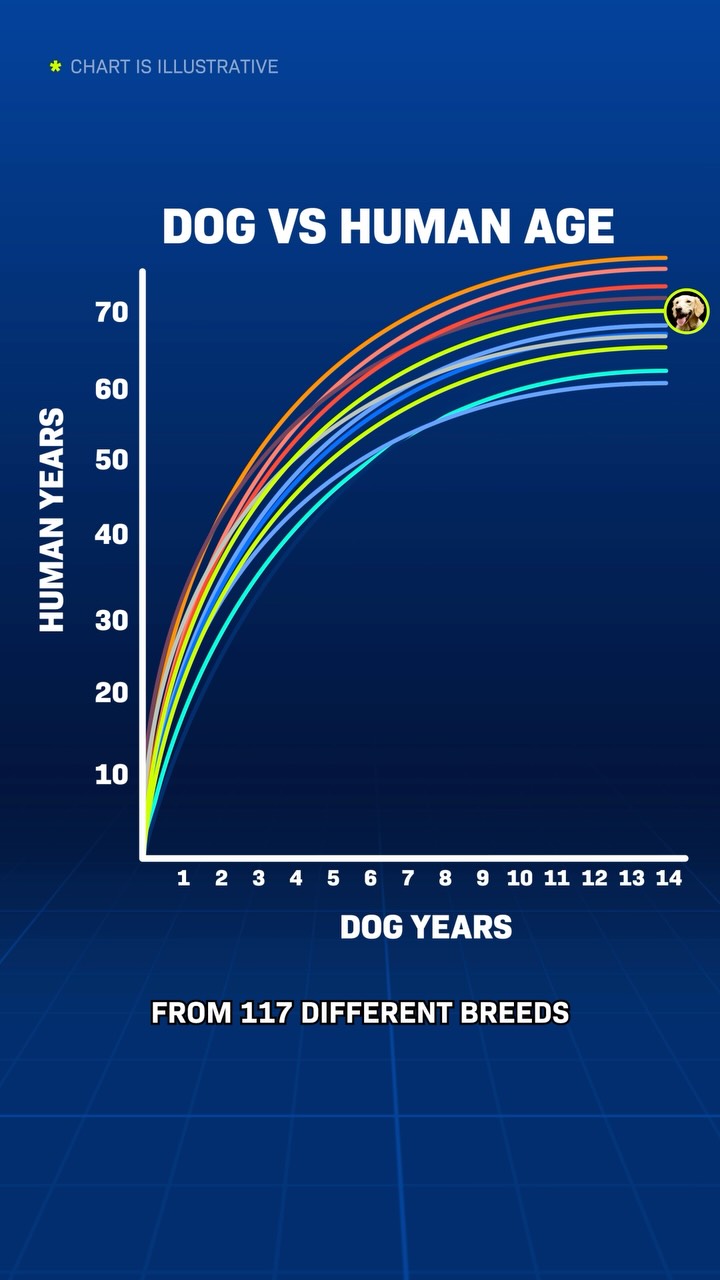
Cleo Abram explains why multiplying a dog's age by seven is wrong and shows how dogs actually age compared to humans.

2.3M views
125K likes
271 comments
36K shares
12K saves
3.2M followers
57s long
5.5% liked
hookThe video grabs attention instantly by showing a cute puppy while questioning a common belief about dog age.
  • Expressive host. Cleo Abram talks right to the camera with high energy and funny facial expressions.
  • Bright room. She sits in a cozy room with soft lighting and plants in the background.
  • Cute pet. A cute puppy named Thor shows up right at the start, making viewers stop and watch.
  • Broad interest. Almost everyone with a dog wants to know how old their pet really is in human years.
retainViewers stay until the end to see how different dog breeds age and learn the real science behind biological clocks.
  • Surprising truth. The video disproves the popular rule of multiplying dog age by seven.
  • Clear charts. Colorful animated charts show the curved line of dog aging clearly.
  • Energetic speech. Cleo talks fast and uses big hand motions to keep the energy high.
  • Pacing count. The video uses 12 shots in 57.0 seconds, changing the view about every 4.8 seconds.
  • Simple explanation. The story moves smoothly from the old myth to new genetic research.
  • Perfect length. The short duration fits the simple science concept without wasting any time.
rewardViewers walk away with a better understanding of how their own pets grow old.
  • Useful facts. Viewers learn that young dogs age very fast and older dogs age much slower.
  • Better care. Dog owners can figure out their own dog's real age stage more accurately.
  • New perspective. Viewers discover that big dogs age faster than small dogs.
cleo abramdog age graphdog years to human yearsdog aging sciencepet advicedog breeds agescience explaineddog health factspet care tipseducational shortcute dog thor

Why your dog isn’t the age you think. Turns out I’ve been estimating my dog’s age wrong, because “just multiply by 7” is NOT a real thing! The whole “my dog at 1 is like a human at 7, at 2 they’re 14, etc.” is not backed by any research! Instead, geneticists created this chart - and it’s CURVED What they’re measuring is the same kind of biological marker researchers are using to study how WE age!. To find out more, follow along! #science #ageing #biology #dog #genetics

watch on instagram
15

@cleoabram Cleo Abram · 29 May 2026

9.8x outlier

A video explaining how scientists use DNA in ocean water to discover unknown sea animals.

2.2M views
72K likes
124 comments
4.7K shares
4.7K saves
3.2M followers
42s long
3.3% liked
hookThe host holds a glass cup and asks a thought-provoking question about the deep ocean.
  • Host appearance. Cleo Abram looks friendly and speaks directly to the camera with bright eye contact.
  • Setting and light. She sits in a brightly lit room filled with books and plants.
  • Audio atmosphere. Her energetic voice speaks clearly over a quiet background track.
  • Onscreen text. Large bright captions pop up at the bottom of the screen in white letters.
  • Broad topic. Ocean discovery and mysterious sea creatures appeal to almost everyone.
retainThe presenter uses a quick multiple choice question and cool footage of rare sea life to keep viewers hooked.
  • Surprising facts. Most people are shocked to learn ninety percent of deep ocean DNA comes from unknown species.
  • Visual footage. Real clips of strange deep sea creatures show what scientists are trying to identify.
  • Upbeat delivery. The host speaks with real excitement about science and discovery.
  • Fast cuts. The video uses 16 shots in 41.5 seconds to keep the visuals changing every two or three seconds.
  • Glass cup prop. She uses a plain glass to make the idea of water sampling easy to imagine.
  • Simple story. The explanation moves smoothly from taking a water sample to quiz options and AI solutions.
  • Right duration. The short length fits the single quiz question and quick science concept perfectly.
rewardViewers learn an amazing science fact about deep ocean life and artificial intelligence.
  • Taught something new. Viewers learn about dark taxa and ocean DNA sampling.
  • Sparked wonder. Seeing strange deep sea animals makes people curious about the unexplored ocean.
  • Hopeful feeling. Seeing AI help identify unknown species feels exciting for the future of science.
cleo abramscienceoceanbiologydeep seadnanatureeducationmysterious animalsdark taxamarine lifesea creaturestechnologyaiquick quizfactsinterestingdiscovery

Guess how many deep sea animals are unknown. If you stuck a cup deep into the ocean and pulled up a sample of water you’d find all sorts of things: pieces of scales, poop, and other animal matter. In recent years, scientists have gotten really good at isolating and sequencing the DNA from these tiny leftovers. This sort of detective work is like CSI for the ocean and it lets them identify the exact animals that once passed through an environment, giving us a better picture of ocean ecosystems! But sometimes… when they pull up the sample from way deep in the ocean they can’t find a match at all hinting something else might be lurking in the deep. For more, follow along ! #science #eDNA #ocean #deepsea

watch on instagram
16

@cleoabram Cleo Abram · 16 Apr 2026

9.3x outlier

An animated scale shows how deep the ocean is compared to real buildings and mountains.

2.1M views
105K likes
289 comments
10K shares
7.9K saves
3.2M followers
56s long
5.1% liked
hookA host introduces a surprising question about the true depth of the ocean.
  • Friendly face. Cleo looks directly at the camera.
  • Home office setting. Warm lighting with plants in the background.
  • Original background audio. Her clear voice speaks over faint music.
  • Bold text onscreen. Captions show what she says in white text.
  • Broad audience topic. Everyone knows the ocean but few know its true scale.
retainSimple animations keep viewers interested as the depth increases.
  • Clear visual scale. Animated diagrams show real objects underwater.
  • Visual explanations. The video shows depths instead of just naming numbers.
  • Energetic host performance. Cleo speaks with real passion and wonder.
  • Pacing and shot cuts. 7 shots in 55.5 seconds keep a steady flow.
  • Key visual props. Drawings of the Burj Khalifa and Titanic anchor the scale.
  • Step by step story. The video goes deeper step by step until the very bottom.
  • Good overall length. 55.5 seconds is just right to cover the whole depth.
rewardViewers learn just how deep and vast the ocean really is.
  • Feeling of wonder. The immense scale makes the ocean feel endless.
  • Educational value. Viewers learn new facts about ocean depths.
  • Curiosity sparked. The ending teaser makes people want to learn more.
cleo abramocean depthdeep seascience factschallenger deeptitan submarineburj khalifa scalemt everest underwatereducational animationocean floornature factshuge if true

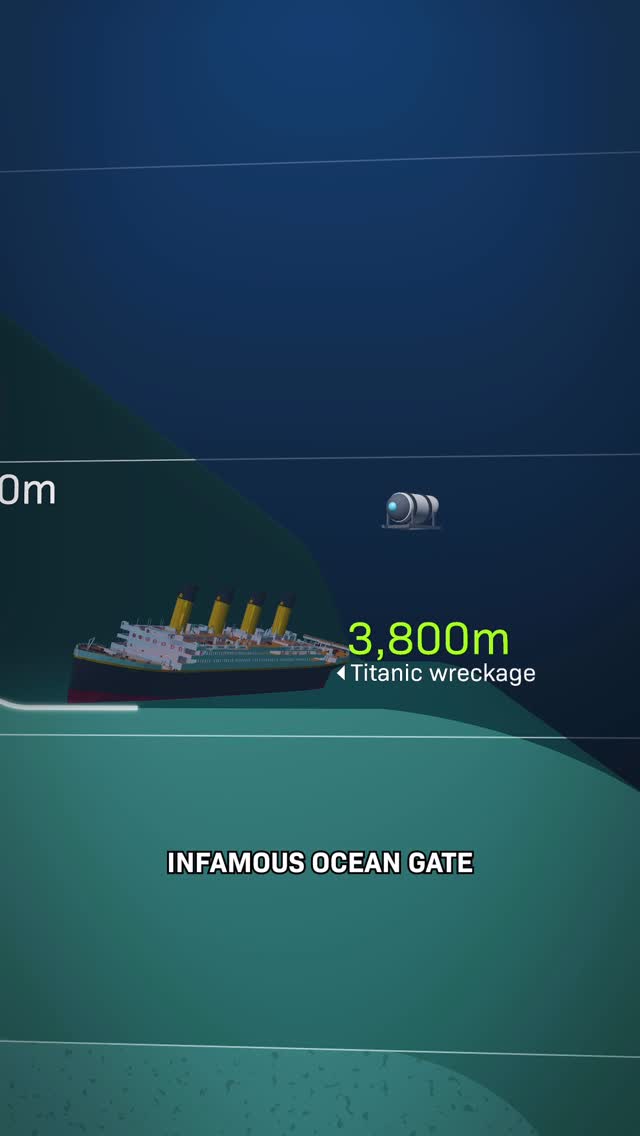
The ocean is way deeper than you think. Most people don’t understand just how deep the ocean really is. If you put Mt. Everest into the water upside down, there would still be over a mile before you got to the bottom. It’s roughly the average cruising altitude of a 737 airplane! Imagine you walk off the coast into the water. Here’s what you’d see... This short is part of Huge If True, our optimistic show about science and tech. We just made a longer episode all about mapping our oceans! Subscribe to support us and to see more. #tech #stem #ocean #animation #science

watch on instagram
17

@cleoabram Cleo Abram · 19 Jun 2026

9.3x outlier

Cleo Abram explains how a tiny sensor inside the new World Cup soccer ball helps track the game in real time.

2M views
74K likes
166 comments
0 shares
0 saves
3.2M followers
42s long
3.6% liked
hookThe video stops viewers with an energetic host and a bold question about tearing open a World Cup ball.
  • Person on screen. Cleo Abram speaks directly to the camera with high energy and big hand gestures.
  • Bright indoor setup. She stands in a well lit room with soft home decor and plants behind her.
  • Original voice audio. Her energetic speaking voice introduces a wild idea right away.
  • Bold text style. White text at the bottom says IF YOU RIP OPEN to grab quick attention.
  • Broad topic appeal. World Cup soccer technology appeals to sports fans, tech lovers, and curious viewers alike.
retainFast edits and cool visual graphics keep viewers watching as she breaks down how the tech works.
  • Surprising tech inside. Looking inside a soccer ball to find a hidden computer chip is very interesting.
  • Shown with graphics. Clear 3D animations and real match clips show how the sensor works instead of just telling about it.
  • Energetic speech. Cleo speaks clearly with excitement that keeps the explanation fun and simple.
  • Fast video edits. With 27 shots in 41.9 seconds, a new shot lands about every 1.6 seconds to keep the eyes engaged.
  • Useful paper props. Holding sheets of paper helps show how light the tiny sensor really is.
  • Clear step explanation. The story flows nicely from the sensor to how it balances and detects kicks.
  • Right video length. A 41.9 second runtime gives just enough time to explain the tech without slowing down.
rewardViewers walk away learning something cool about the hidden tech used in professional sports.
  • Taught something new. Viewers learn that a tiny sensor inside a soccer ball tracks touches and offside calls.
  • Amazed by tech. Viewers feel amazed that a tiny chip can send data hundreds of times a second.
  • Curious for more. Viewers are left excited to learn about other banned or high tech sports gear.
cleo abramsoccer ball sensorworld cup technologysports techhidden technologyhow soccer balls worksmart soccer balltech breakdownsoccer rules techoffsides sensorgoal line technology

Secret sensor hidden inside World Cup ball. If you rip open the new World Cup ball you’ll find this sensor embedded into the side It’s collecting data 500 times a second! During games, the sensor tells you where the ball is on the field and if it’s been touched by a player! This high tech ball helps track things like offsides or out of bounds or if a ball crossed the goal line To see sports tech that got banned for being too good, follow along! #worldcup #soccer #football #ball #tech

watch on instagram
18

@cleoabram Cleo Abram · 8 Jul 2026

9.0x outlier

Cleo Abram explains why tourists and scientists are not allowed to pee on the ice in Antarctica.

2M views
47K likes
293 comments
1.2K shares
2K saves
3.2M followers
43s long
2.3% liked
hookViewers stop scrolling because a bold statement about a strange rule in Antarctica catches them off guard.
  • Bold opener. The video starts with a spinning globe showing Antarctica before cutting to a woman in a red snow jacket.
  • Bright text. Big yellow words highlight the continent name right before the main question is spoken.
  • Fun voice. Cleo speaks clearly with energy and smiles right into the camera.
  • Broad appeal. Anyone interested in strange rules or cold places wants to find out why this rule exists.
retainPeople keep watching because the video uses fun graphics to show how human pee stays trapped in ice for thousands of years.
  • Clear story. The video explains step by step how snow layers build up without ever melting.
  • Fast edits. The video cuts between 20 shots in 42.5 seconds, giving you a new shot about every 2.1 seconds.
  • Fun graphics. Animations of a drill digging past skeletons and a fake sign make the science easy to see.
  • Funny picture. The ending paints a picture of a future relative finding a yellow line in an ice sample.
rewardViewers leave with a cool science fact and a laugh about why cold places have unusual rules.
  • Fun knowledge. Viewers learn that air trapped in old ice helps scientists study ancient history.
  • Good laugh. Viewers enjoy the funny joke about leaving a mark behind for future generations.
  • Greater respect. Viewers feel a renewed sense of wonder for the clean ice fields of Antarctica.
cleo abramantarctica rulesscience factsice core drillingfun educational videowhy you cannot pee on antarcticatravel factsclimate scienceenvironmental rulesinteresting history

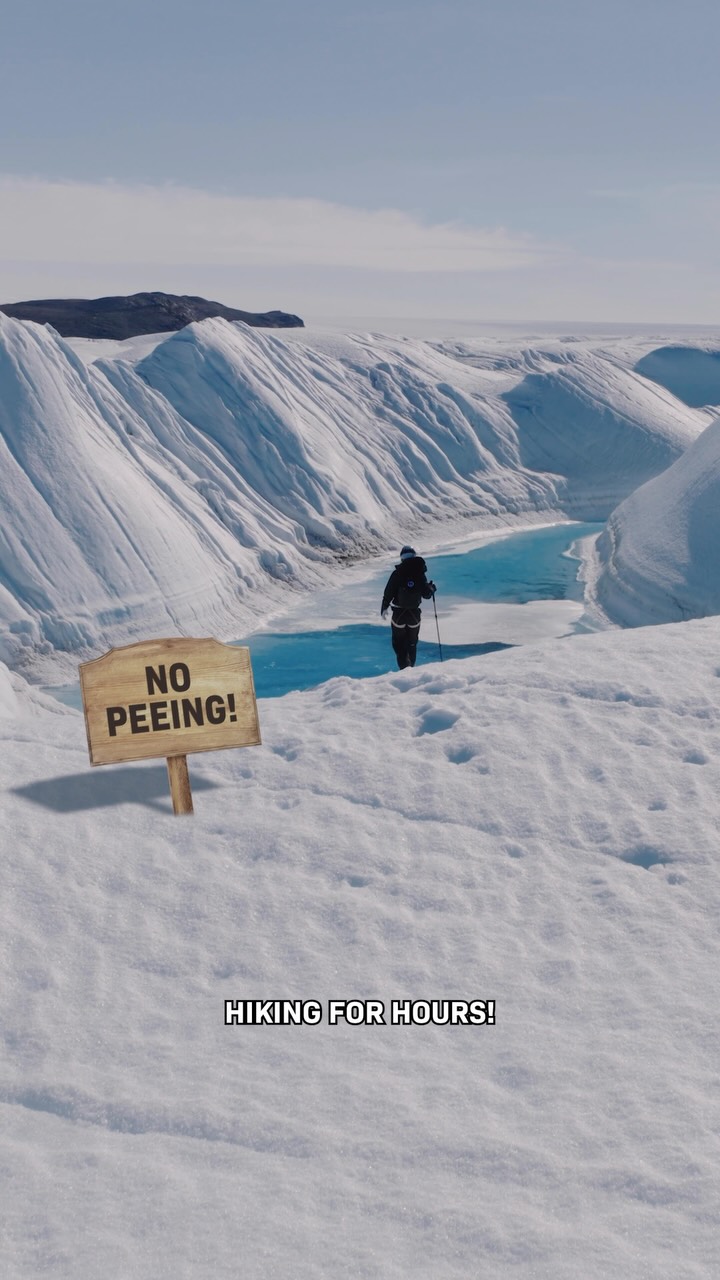
Why you can’t pee on Antarctica. In Antarctica, you’re not allowed to pee on the ice. Not even when you’re hiking for hours! It’s so cold and dry that when it snows, it basically never melts, so it stacks up into layers of ice trapping air inside…and scientists drill ice cores to study that air and learn what the environment was like thousands of years ago So if you pee…it will get trapped in the ice too. To see what’s under the ice, follow along! #antarctica #ice #science #geology

watch on instagram
19

@cleoabram Cleo Abram · 22 Jul 2026

8.7x outlier

Cleo Abram explains how scientists drill ice cores from Antarctica to study the history of Earth's atmosphere.

1.9M views
66K likes
420 comments
2.5K shares
3.1K saves
3.2M followers
51s long
3.4% liked
hookA friendly host makes a bold claim about drilling deep into Antarctica.
  • Warm host. Cleo Abram speaks directly to the camera with an open, friendly smile.
  • Bright room. She stands in front of a warm indoor setup with leafy houseplants.
  • Clear audio. Her upbeat voice speaks over simple original audio.
  • Big text. Bold white text says scientists dug a hole at the bottom of the world.
  • Broad subject. Earth science and Antarctic secrets appeal to anyone who is curious.
retainFast cuts and cool visuals of ancient ice keep viewers hooked.
  • Fascinating topic. Learning that ice holds old air bubbles feels like discovering a secret.
  • Visual proof. Real footage of ice cores, microscope views, and charts proves her points.
  • Upbeat acting. Cleo speaks with genuine enthusiasm for science.
  • Fast pacing. 25 shots in 50.7 seconds means a new shot about every 2.0 seconds.
  • Cool props. Slices of ice and drilling tools make the story come alive.
  • Easy story. The process moves cleanly from drilling to slicing to measuring air.
  • Good timing. The 50-second length covers the topic without extra fluff.
rewardViewers learn how frozen bubbles show air quality from 800,000 years ago.
  • Taught something. Viewers learn how scientists read ancient carbon dioxide levels.
  • Awe and wonder. Seeing air trapped for hundreds of thousands of years feels amazing.
  • Wanting more. The ending teaser about a 1.2 million year old core leaves people curious.
cleo abramice coreantarcticascienceclimate changecarbon dioxideatmospherehistorydrillingearth scienceeducationalscience communicationvideo essayhistory of earth

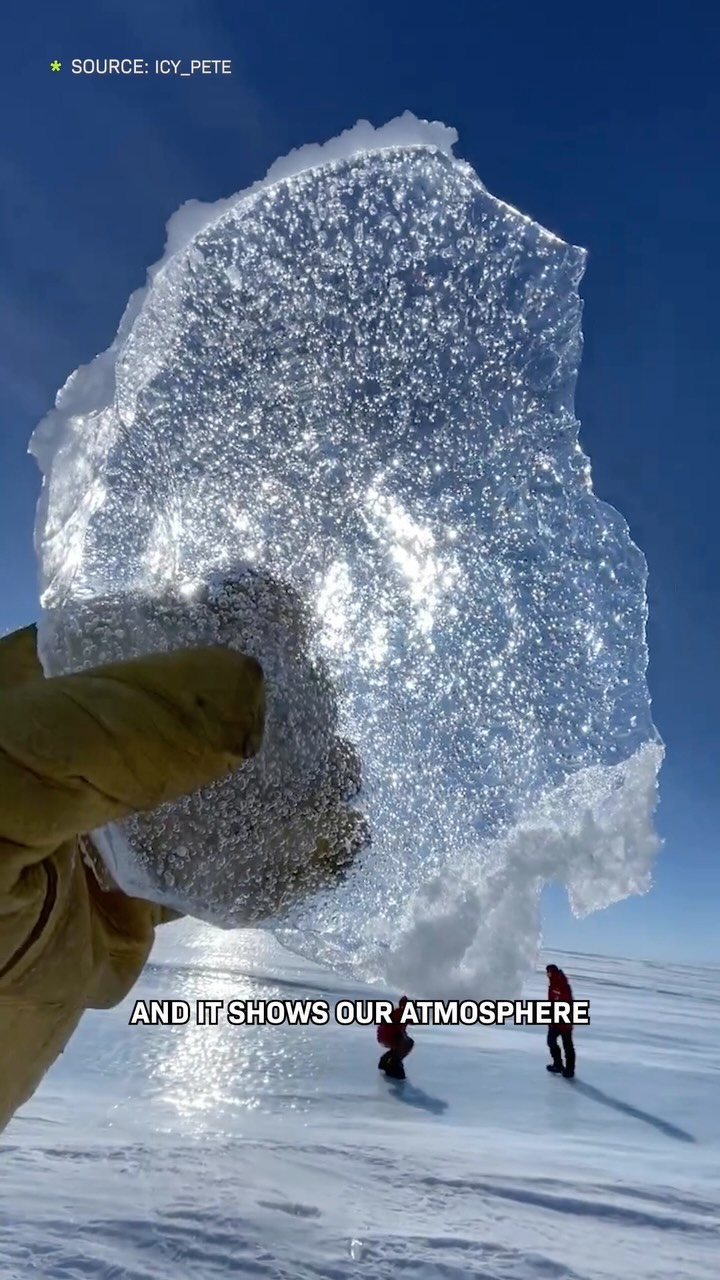
They dug a hole to the bottom of Antarctica. They dug to the bottom of Antarctica and pulled out this core… The natural world has left us a time machine and we’ve gotten really good at traveling through it. Here’s how… Follow for more! #Antarctica #IceCores #ClimateChange #Science #Technology
watch on instagram
20

@cleoabram Cleo Abram · 7 Jul 2026

8.4x outlier

Cleo Abram tests a new artificial intelligence app to make charts, edit photos, and design thumbnails.

1.9M views
6.6K likes
356 comments
0 shares
0 saves
3.2M followers
49s long
0.4% liked
hookThe fast opening shows colorful visuals and promises to test a new tech tool.
  • Visual start. Screen shows a bright colorful chart with bold title text.
  • Voice audio. Energetic voice starts explaining the test right away.
  • Onscreen text. Bold text announces a new image creation tool.
  • Wide reach. Tech and editing topics appeal to a huge online audience.
retainViewers stay engaged as the creator demonstrates practical and fun uses for the new app.
  • Show not tell. Real app prompts and results appear on screen.
  • Pacing speed. With 35 shots in 49.0 seconds, the clip moves quickly.
  • Simple story. Demonstrations move cleanly from charts to photo edits.
  • Practical value. Viewers see useful tricks for design and work.
rewardViewers learn how a new artificial intelligence app works for editing and design.
  • New knowledge. Viewers see what the new app can build.
  • Design ideas. Viewers get inspiration for photo edits and home decor.
  • Call to action. Viewers feel invited to try the app on their own.
cleo abramtech reviewai app testimage generatorphoto editinggraphic design tipsdata visualizationinterior design ideasthumbnail creatorsoftware tutorialtechnology news

This is Meta AI’s new image generation model. I tested it out and here’s what it can do. #ad @meta @meta.ai

watch on instagram